
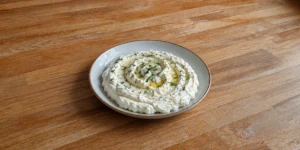
Lithuanian Kastinys Recipe (Sour Cream & Butter Spread)
Achieving the perfect Kastinys is a masterclass in fat emulsion. While the ingredient list is remarkably simple, the success of this traditional Baltic spread relies entirely on temperature management and physical technique. This recipe outlines a reliable, professional method to successfully emulsify high-fat sour cream and butter without splitting, resulting in an exceptionally silky, rich spread with a complex lactic tang.
What is Kastinys & Its Origins
Kastinys (specifically Samogitian Kastinys, or Žemaitiškas kastinys) is a traditional, geographically protected dish originating from Samogitia, a western region of Lithuania. Historically, dairy-rich spreads like Kastinys were prepared for festive occasions, harvest days, or during intensive agricultural labor, providing a highly concentrated source of energy. Unlike standard compound butters, Kastinys undergoes a precise warming and whipping process that incorporates sour cream directly into the butter fat structure, creating a light, spreadable, yet incredibly rich condiment.
What Does It Taste Like?
Kastinys delivers an intense sensory experience. It has the luscious, tongue-coating richness of whipped butter, balanced instantly by the bright, lactic acidity of cultured sour cream. The base flavor is deeply savory, punctuated by the sharp pungency of fresh garlic and the warm, anise-like undertones of cracked caraway seeds. Physically, it should be completely smooth, light, and spreadable at cool room temperature, with no graininess or separated moisture.
Popular Variations
While the garlic and caraway version is the undisputed gold standard of Samogitian tradition, regional variations exist. Some modern cooks incorporate finely minced fresh dill, chives, or wild garlic (ramsons) during spring. In northern parts of Lithuania, a pinch of dried mint is occasionally added to cut through the heavy fats. Another rustic variation involves blending in a small amount of finely ground, toasted hemp seeds for an earthy, nutty flavor profile.
What To Serve With Kastinys
To experience Kastinys traditionally, serve it alongside hot, steaming potatoes boiled in their skins (jacket potatoes). The contrast between the cold, melting spread and the hot, starchy potato is sublime. It is also exceptional when slathered over dense, dark Lithuanian rye bread (duona), served alongside fresh radishes, cucumbers, or used as a rich accompaniment to grilled or smoked fish.
Expert tips:
The Golden Rule of Directional Stirring
Always stir the mixture in one direction. Changing directions mid-process disrupts the alignment of the fat globules, significantly increasing the risk of breaking the delicate butter-in-water emulsion.
Fat Percentage is Key
Do not attempt this recipe with low-fat sour cream. The high water content in light sour cream makes emulsion practically impossible. Seek out sour cream with at least 30% butterfat, or substitute with French crème fraîche or Eastern European Smetana.
Avoid Direct Heat
Never melt the butter completely into a liquid state. If the butter turns to liquid oil, the emulsion structure is permanently lost, and the Kastinys will set hard like standard butter rather than staying creamy.
Storage:
How to store
Store Kastinys in an airtight container, preferably ceramic or glass, to prevent it from absorbing refrigerator odors.
Shelf life
When properly sealed, Kastinys will keep well in the refrigerator for up to 5 to 7 days. The garlic and caraway flavors will intensify over time.
Freezing instructions
Do not freeze Kastinys. Freezing alters the crystalline structure of the butter fats and water, causing the emulsion to completely break and separate into liquid upon thawing.
Recipe information:
Ingredients
Substitutions for ingredients:
- Sour Cream - Crème fraîche or Smetana. These are excellent, high-fat alternatives that yield an even richer, more stable emulsion than standard Western sour cream.
- Caraway Seeds - Fennel seeds or dill seeds. While caraway is traditional, these seeds offer a similar warm, aromatic profile.
Preparation
1. Temperature Alignment
2. Set Up the Water Bath
3. Cream the Butter
4. Incremental Emulsification
5. Incorporate Aromatics
6. Set and Chill
Frequently Asked Questions (FAQ):
What is the difference between Kastinys and standard butter?
While butter is a pure fat emulsion, Kastinys is a stable emulsion of butter and high-fat cultured sour cream. This creates a spread with a significantly lower melting point, a lighter texture, and a distinct tangy, lactic acidity.
Can I use a stand mixer or hand mixer to make Kastinys?
It is highly recommended to use a manual wooden spoon. Mechanical mixers transfer heat rapidly and spin at too high a speed, which easily overworks the fats and causes the emulsion to break into separate butter and liquid components.
Is Kastinys eaten hot or cold?
Kastinys is served chilled or at cool room temperature. It is traditionally paired with piping hot boiled potatoes, allowing the cold spread to melt beautifully over the hot starch.