
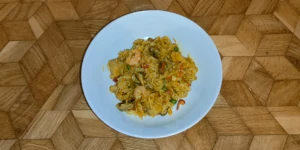
Traditional Spanish recipes
Jump to recipes
Explore Spanish recipes through cold soups, rice dishes, potatoes and regional sauces. Begin with gazpacho, patatas bravas or seafood paella, then browse the complete collection, including sauces from the Canary Islands. Below the recipes, discover how local ingredients and contrasting landscapes contribute to the food traditions of Spain's coasts, inland regions and islands.
More about Spanish cuisine...
Advertisement
All Spanish recipes:
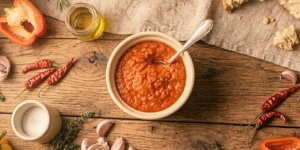
Mojo Rojo - Traditional Red Sauce from the Canary Islands
Region: Canary Islands
- Preparation time
- 1 hour
- Total time
- 1 hour
- Yield
- about 300 ml
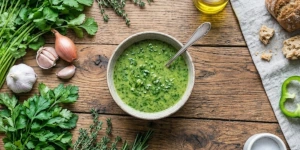
Mojo Verde - Traditional Green Sauce from the Canary Islands
Region: Canary Islands
- Preparation time
- 1 hour
- Total time
- 1 hour
- Yield
- about 300 ml

Patatas Bravas - Spanish spicy potatoes with sauce
- Preparation time
- 30 minutes
- Total time
- 60 minutes
- Yield
- 6

About Spanish cuisine:
Spanish cuisine is a collection of strongly regional food traditions shaped by very different climates and landscapes. Olive oil, bread, legumes, vegetables, pork, seafood, rice, eggs and wine appear throughout the country, but their importance changes from the Atlantic north to the Mediterranean coast and from the central plateau to Andalusia and the islands.
Internationally famous foods such as paella, tortilla de patatas, gazpacho, jamón and tapas represent only a small part of Spanish cooking. Traditional regional recipes include seafood stews, bean and chickpea dishes, rice dishes, roast meats, sausages, vegetable soups, breads and a large range of pastries and desserts.
The history of Spanish cuisine
Roman agriculture strengthened the importance of grains, wine and olive oil on the Iberian Peninsula. During the Middle Ages, Muslim-ruled al-Andalus became an important center of irrigation, agriculture and trade, contributing crops, culinary techniques and flavor combinations that remained influential in later Iberian cooking. Jewish and Christian communities added their own dietary traditions to this complex food landscape.
After European contact with the Americas, tomatoes, peppers, potatoes, beans and other crops gradually entered Spanish agriculture and cooking. Several ingredients now seen as essential to Spanish cuisine therefore became common only in the early modern period.
Spain is one of the countries represented in UNESCO's Mediterranean Diet heritage, which recognizes not just particular ingredients but knowledge and practices connected with farming, fishing, preservation, cooking and eating together.
Valencia and the Mediterranean coast
Valencia is the historical home of paella and has a broad rice tradition extending far beyond the versions most familiar to tourists. Mediterranean coastal cooking makes extensive use of rice, vegetables, seafood, olive oil and fish.
Andalusia
Andalusian cooking is closely associated with olive oil, vegetables, fish and seafood. Gazpacho and salmorejo are well-known cold soups, while fried fish, stews and regional pork products show the variety of the region.
Northern Spain
Galicia is famous for seafood, octopus and substantial soups and stews. Asturias and Cantabria combine Atlantic seafood with dairy products, beans and meat. Basque cuisine is particularly known for fish, grilled foods, sauces and the small dishes called pintxos.
Central Spain and Catalonia
Castile and León have strong traditions of roast lamb and suckling pig, legumes and cured meats, while Madrid is associated with dishes such as cocido madrileño. Catalan cuisine combines Mediterranean seafood, vegetables and olive oil with mountain meats and characteristic sweet-and-savory combinations.