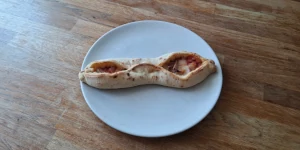
Frusta Sorrentina - Traditional Sorrento Pizza
Region: Campania, Sorrento
- Preparation time
- 25 mins
- Total time
- 2 hrs 15 mins
- Yield
- 2 fruste

Italian cuisine is fundamentally regional. Climate, agriculture, local history and trade created hundreds of distinct food traditions long before Italy became a unified state in 1861. Pasta, rice, polenta, bread, legumes, vegetables, cheese, cured meat, fish and olive oil all play important roles, but their importance changes dramatically from one region to another.
Simplicity is important in many Italian recipes, but it should not be reduced to the idea that all Italian cooking is cucina povera. Italy also has long traditions of court cooking, urban restaurant food, elaborate filled pasta, confectionery and ceremonial dishes. What connects these traditions is a strong respect for regional ingredients and established methods.
In 2025, UNESCO inscribed "Italian cooking, between sustainability and biocultural diversity" on the Representative List of the Intangible Cultural Heritage of Humanity, recognizing cooking as a social practice through which skills, recipes and memories are transmitted between generations.
The peninsula inherited agricultural and culinary practices from Etruscan, Greek and Roman societies, but modern Italian cuisine is not simply Roman food carried forward unchanged. During the Middle Ages and Renaissance, powerful cities and courts developed their own cooking traditions. Mediterranean and long-distance trade brought rice, sugar, spices and other ingredients, while Sicily was particularly shaped by Greek, Arab, Norman, Spanish and later Italian influences.
The Columbian Exchange introduced tomatoes, maize, potatoes and peppers from the Americas. These foods were not immediately central to Italian cooking; their adoption took place gradually over several centuries. Eventually tomatoes transformed southern pasta sauces and pizza, maize became central to northern polenta, and potatoes entered gnocchi and regional rural cooking.
Pellegrino Artusi's 1891 La scienza in cucina e l'arte di mangiar bene became an important milestone after Italian unification. By collecting recipes from different parts of the country, Artusi helped create a shared written culinary language while preserving strong regional differences.
Lombardy, Piedmont and Veneto make extensive use of rice, polenta, butter, cheese and meat, while Emilia-Romagna is especially famous for fresh egg pasta, filled pasta, Parmigiano Reggiano, Prosciutto di Parma and traditional balsamic vinegar. Liguria, by contrast, has a Mediterranean cuisine built around olive oil, herbs, vegetables, seafood and pesto.
Tuscany, Umbria, Marche and Lazio rely heavily on bread, legumes, olive oil, pork, sheep's milk cheese, vegetables and meat. Roman cooking is particularly associated with Pecorino Romano, guanciale and black pepper in dishes such as cacio e pepe, carbonara and amatriciana.
Campania, Puglia, Basilicata and Calabria make extensive use of durum-wheat pasta, vegetables, olive oil, tomatoes, legumes and regional cheeses. Campania is closely associated with Neapolitan pizza and mozzarella di bufala, while Calabria is known for foods including 'nduja and hot peppers. Sicily has a particularly layered history reflected in dishes combining seafood, vegetables, citrus, nuts and sweet-sour flavors. Sardinia maintains distinctive traditions of bread, sheep's milk cheese, pasta and pastoral cooking.
Region: Campania, Sorrento
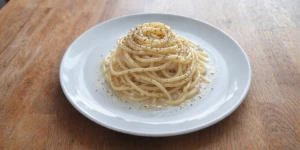
Region: Lazio
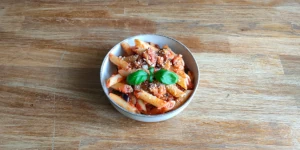
Region: Sicily
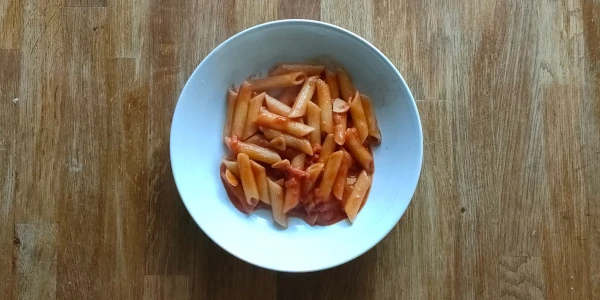
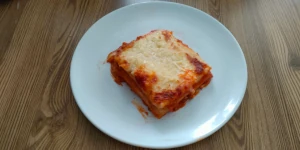
Region: Emilia-Romagna
Region: Lombardy, Pavia
Region: Emilia-Romagna, Romagna, Ferrara, Reggio Emilia