Greek cuisine and its Traditional recipes.

Jump to recipes

Greek cuisine is synonymous with the Mediterranean lifestyle based on simple but distinctive flavors. Traditionally, the foundation of Greek culinary art is wheat, olive oil, and wine-the so-called Mediterranean triad. The daily menu is dominated by fresh vegetables (tomatoes, peppers, eggplants, cucumbers), legumes (beans, lentils, chickpeas), as well as various cheeses (feta, graviera, manouri) and yogurt. Herbs are used extensively: oregano, thyme, mint, dill, and garlic, and olive groves cover many regions of the country. Meat tends to be used as a side dish - lamb, goat, and poultry dominate - while vegetable dishes and fish, generously drizzled with olive oil, are often equally valued. When describing Greek cuisine, it is worth emphasizing the importance of olive oil - not only in cooking, but also historically in rituals and medicine. Greek olive oils are so unique that many of them have EU protected designation of origin labels. Greek hospitality ("filoksenia") is also famous - in ancient beliefs, every stranger could be a god disguised as a human. That is why meals in Greece are not just about food, but rather family or social gatherings where conversations flow as freely as the local wine. This philosophy of "moderation" and community (ancient Greek metron ariston) is reflected in a balanced diet - seasonality, locality, and moderation in spices make the dishes light and healthy.

From a historical perspective, Greek cuisine has been shaped over thousands of years. Even in ancient times, food was considered an art - the Greeks even had a goddess of food celebrations (Adefagia), and in the 4th century BC, the poet Archestratos of Gela wrote the first known "recipe" in the Mediterranean world in the form of a poem - Hedypathia (Life in Good Taste). The ancient diet was based on a few local ingredients: grains (mainly wheat and barley), olive oil, wine, and legumes. Meat was rarely eaten - the menu was based on vegetable soups, wild olives, figs, honey, and fish caught from the sea. Traces of this era have survived to this day: fasolada (bean soup), lentil soup, dakos (barley rusks with tomatoes and feta cheese) and small sweets with honey and sesame seeds date back to the traditions of ancient Greece. The influence of Greek cuisine was also evident in ancient Rome - famous Roman feasts (e.g., at Lucullus's) were held under the supervision of chefs from Hellas.

During the Byzantine period, Greek culinary traditions were enriched with new spices and ingredients. Byzantium, as a bridge between East and West, introduced flavors such as walnuts, saffron, and cinnamon to Greek cuisine, while citrus fruits imported from the seas (e.g., lemons from the 2nd century AD) were initially used primarily in medicine. At the same time, the tradition of baking wholemeal bread (paximadi) and flour products developed. Later, during the more than 400 years of Ottoman rule, new flavors found their way into Greek cuisine: Turkish coffee, rich filo pastries, and dishes such as moussaka and tzatziki - although these are often known today as "Greek," they also have roots in Anatolia. The Greeks also adopted the Ottoman custom of small snacks (meze) and sweets made from dried fruit, honey, and sesame (e.g., halva, lokum, and kataifi).

Modern Greek cuisine developed particularly in the 19th and 20th centuries, when European influences and emigration brought new inspiration. The eminent Greek chef Nikolaos Tselementes, who trained in France, shaped the contemporary versions of the famous moussaka and pastitsio by introducing béchamel sauce and French cooking techniques. In turn, fast food restaurants quickly appeared in Greece - in the 1970s, a chain of souvlaki restaurants and well-known fast food clones served both hamburgers and traditional Greek cuisine such as gyros and pita on the go. It is worth noting that the Orthodox religion is very important in Greece - strict fasting for approx. 180-200 days a year (Lent, numerous Wednesdays and Fridays) have resulted in many vegetarian and vegan dishes (e.g., fava, fasolada, fish with vegetables, vegetable stews) becoming part of the culinary tradition, which Greeks still greatly appreciate. The famous Mediterranean diet, exemplary examples of which were recorded in Crete in the 1950s, was inscribed on the UNESCO Intangible Cultural Heritage List in 2013, highlighting its health and cultural significance. At the same time, contemporary Greek cuisine is not afraid to experiment - a new generation of chefs combines local ingredients with techniques from around the world, while many Greeks are returning to the simple, rural recipes of their ancestors, cherishing traditional methods and products.

Culinary regions and their diversity

The geographical layout of Greece-mountainous land and thousands of islands-means that its cuisine varies greatly from region to region. In the north of the country (Macedonia, Thrace), traces of Balkan and Turkish influences can be seen. The local dishes are filling and meat-based: stewed lamb and mutton, soft pâtés, and salt-preserved or smoked specialties reign supreme. In the north, local halva and the famous "soutzouk-loukoum" - a sausage-shaped candy with nuts in molasses - are particularly appreciated. The culinary capital of the north is Thessaloniki, a cosmopolitan city that combines Greek traditions with foreign influences (Jewish, Armenian, Ottoman). There you will find the famous bougatsa, a pudding and cheese pie, as well as a rich selection of meze and cream cakes.

In Epirus (the mountainous northwestern part of Greece), the cuisine is based on mountain ingredients: goats and sheep, whose milk is used to make cheese (the famous Epirote feta, hard kefalotyri, and smoked metsovone) and yogurt. The people of Epirus are masters of spicy roasts - from kleftiko (mutton roasted in clay pots) to various stews - but at the same time they can conjure up dishes from limited vegetables and forest gifts. Many types of pies (pitas) are baked in this region: with meat, pumpkin, leek or fennel fillings (e.g. kothropita with lamb and rice or blatsaria with nettles). In the north, culinary traditions also have a salty character - in the Lake Van region (Greek-Turkish border), marinated herring is well known, and in the Florina region, Hungarian paprika dishes.

In Central Greece and Thessaly (the so-called "breadbasket of Greece"), the agricultural landscape is dominated by wheat cultivation and livestock farming. This is where the famous dishes made from groats and pasta originated - until the mid-20th century, wholemeal flour and natural heather ("hilopites") were mainly used in the countryside. The region is famous for its lamb dishes, cheeses, and olive oil. Sheep and goats graze on the plains of Thessaly, so grilled meats are popular, as are local cheeses such as the soft and aromatic katiki Domokou. Central Greece is also known for its olives and native olive oils of the highest quality, as is the Peloponnese (see below).

The most notable differences in cuisine are found in the Peloponnese, a large peninsula in the south. Citrus fruits (especially in Argolis), olives (Kalamata), and grapes are grown here, which is reflected in local dishes and wine recipes. The Peloponnese is famous for its meat products - often traditionally preserved - such as syglino from the Mani region (salted and lightly smoked pork) or richly flavored diples (honey-coated pastries). In Argolis and Elis, the widespread use of lemons and the casual cooking of lamb stews with herbs, which was characteristic of the cuisine of the camps run here (e.g., during religious celebrations), is noteworthy. The Peloponnese is also the burial place of ancient giant olive trees - some olive groves here are several hundred years old, which emphasizes the tradition of cultivation. Throughout the region, the typical diet is rural: lots of roasted meats, green salads with local herbs, long-ripening vegetables (e.g., seasonal tomatoes), and light casseroles (pastitsia or moussaka prepared with seasonal ingredients).

Finally, the Greek islands - both in the Aegean and Ionian Seas - are a separate chapter in Greek cuisine. Each group of islands has developed its own specialties, largely dependent on climate and history. In Crete (the largest island), the cuisine is distinctly Mediterranean: large amounts of olive oil, wild herbs (chorta), vegetables, and legumes, with meat playing a minimal role. Cretans eat, for example, dakos (crispy barley rusks with tomato and feta cheese) or gamopilafo (ceremonial wedding pilaf), and a large part of their diet consists of boiled beets or beans in olive oil. On the smaller Cycladic islands (Santorini, Naxos, Mykonos, etc.), the cuisine is shaped by the dry and windy environment: Santorini is famous for its miniature cherry tomatoes and white eggplants from characteristic varieties, which are used, among other things, to make fried tomatokeftedes cutlets and creamy local chlorotyri cheese.

The Dodecanese Islands, long occupied by Italy until 1947, provided a different model: their cuisine has distinct Italian and Oriental influences. In Rhodes, small pougia dumplings and pitaroudia chickpea cakes are popular, while Kalymnos is famous for its seafood (e.g., fried squid and dried fish, reflecting the tradition of sponge fishing). Corfu kumquats are also characteristic - used in sweet pastries and liqueurs. The Ionian Islands (Corfu, Kefalonia, Zakynthos) were subject to Italian and British influences, rather than Turkish. In Corfu, for example, pastitsada (large dumplings with a spicy meat sauce) is baked, and throughout the region, seasoned veal sofrito, fish in bourdeto vinegar sauce, and a lot of truffles and walnuts are eaten. In general, thanks to its long contact with Italy, Ionian cuisine introduces flavors such as the extensive use of tomatoes, Provençal herbs, and even sponge cakes and oranges to the Greek palette.

Each region of Greece, whether continental or insular, has its own culinary delicacies, reflecting the abundance of local ingredients and the history of cultural encounters. Despite this diversity, all these traditions are united by a common Greek spirit - a deep attachment to simple, natural ingredients and shared meals, passed down from generation to generation.

Greek recipes:

No image

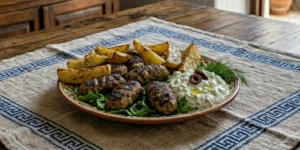
Bifteki - Greek minced cutlets

timer20 minutes
access_time40 minutes
soup_kitchenServings 4
4 (1)
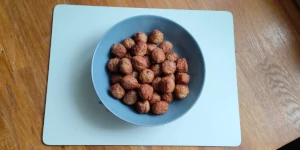
Keftedes - Greek meatballs

Keftedes - Greek meatballs

timer15 minutes
access_time35 minutes
soup_kitchenServings 32
4 (1)
No image

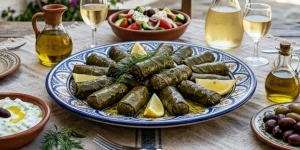
Dolmades - Greek Stuffed Grape Leaves

timer40 minutes
access_time90 minutes
soup_kitchenServings 6
4 (1)
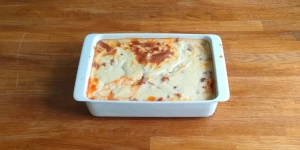
Pastitsio - Greek Pasta Casserole

Pastitsio - Greek Pasta Casserole

timer10 minutes
access_time60 minutes
soup_kitchenServings 8
4 (1)
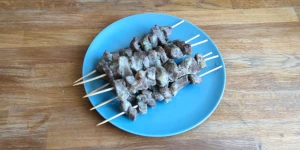
Souvlaki - Greek Skewers

Souvlaki - Greek Skewers

timer120 minutes
access_time130 minutes
soup_kitchenServings 4
4 (1)
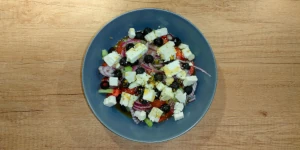
Choriátiki Saláta - traditional Greek country-style salad

Choriátiki saláta - Greek Salad

timer15 minutes
access_time15 minutes
soup_kitchenServings 6
4 (1)
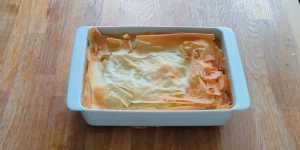
Greek Spanakopita, flaky pastry filled with spinach and feta

Greek Spanakopita

timer30 minutes
access_time70 minutes
soup_kitchenServings 12
4 (1)
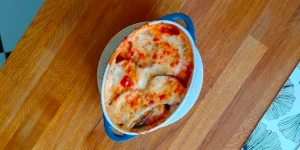
Homemade Greek Moussaka casserole served fresh from the oven

Greek Moussaka - Μουσακάς

timer30 minutes
access_time160 minutes
soup_kitchenServings 4
4 (1)