
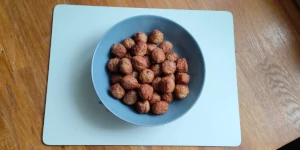
Keftedes - Traditional Greek Meatballs
Traditional Greek Keftedes
Keftedes are traditional Greek meatballs made from minced meat mixed with bread, onion and aromatic herbs. They are shaped into small balls or slightly flattened rounds, usually coated lightly with flour and fried until deeply golden outside while remaining soft inside.
There is no single keftedes recipe followed by every Greek household. The type of meat, herbs and additional seasonings vary between families and regions. Fresh mint is one of the most characteristic herbs, while oregano, parsley and garlic also appear frequently.
What does Keftedes mean?
Keftedes (κεφτέδες) is the plural Greek word for meatballs, while a single meatball is a keftes (κεφτές). The smaller form keftedakia (κεφτεδάκια) is also widely used for small meatballs.
The word belongs to a much wider family of names for meatballs found from southeastern Europe through Turkey and the Middle East. Greek keftedes developed within this broader culinary world but have their own familiar combinations of herbs and preparation methods.
A wider family of Greek Keftedes
In Greek cooking, the word keftes is not restricted to meat. It is also used for many small fried preparations made from vegetables, legumes, seafood and other ingredients.
The Greek islands provide particularly clear examples. Santorini is famous for domatokeftedes, made from tomatoes, onion, herbs and flour. Sifnos is known for chickpea revithokeftedes, while zucchini, fennel, greens, fish and octopus can form the basis of other regional keftedes.
This broader use of the name is important because Greek keftedes are better understood as a family of shaped and usually fried foods rather than as one rigid national meatball recipe.
The meat for Keftedes
Beef is a common choice for meat keftedes. Pork or mixtures of meats also appear in Greek household and regional recipes. The meat should contain enough fat to remain tender after frying, so extremely lean mince is not ideal.
The meat is combined with soaked bread rather than relying only on dry breadcrumbs. The bread is squeezed well before it is mixed into the meat. It gives the finished keftedes a softer texture and also helps bind the mixture.
Mint and other herbs
Fresh mint is particularly characteristic of Greek keftedes. Its flavour cuts through the richness of the fried meat without requiring a complicated spice mixture.
Oregano is another common addition, while parsley can also be used. Garlic appears in many recipes but is not essential to every version. Cumin, cinnamon and other spices occur in particular regional recipes, but they should not be treated as mandatory ingredients in a basic Greek keftedes recipe.
Preparing the mixture
The onion should be grated or very finely chopped so that it becomes part of the mixture rather than leaving large pieces inside the meatballs. The soaked bread must be squeezed thoroughly to remove excess liquid.
The ingredients are then worked together until the mixture becomes cohesive and evenly seasoned. Greek recipes often knead the mixture thoroughly rather than mixing it only briefly. Resting it in the refrigerator afterward makes the keftedes easier to shape and gives the herbs and onion time to distribute their flavour through the meat.
Shaping Keftedes
Keftedes are generally smaller than large Italian-style meatballs. Walnut-sized pieces are practical for frying because they cook quickly and develop plenty of browned surface.
They can be rolled into balls or pressed slightly flatter. The exact shape varies. What matters is keeping them reasonably similar in size so that they cook at approximately the same rate.
Why Keftedes are floured before frying
A light coating of flour is traditional in many Greek recipes. The shaped meatballs are rolled in flour and the excess is shaken away before they enter the hot oil.
The flour helps form the characteristic dry, golden exterior during frying. It should remain a thin coating rather than becoming a heavy breading.
Frying Keftedes
Frying is the characteristic cooking method for classic keftedes. Olive oil is traditionally used in many Greek recipes, although other frying oils are also used in modern kitchens.
The oil must be properly heated before the first batch is added. If it is not hot enough, the flour coating and meat can absorb unnecessary oil. The pan should not be overcrowded because adding too many cold meatballs at once lowers the temperature.
Fry the keftedes in batches, turning them as necessary, until browned on the outside and completely cooked in the centre. Drain them after frying before serving.
Baked Keftedes
Keftedes can be baked instead of fried, and many modern recipes use this method. Baking is convenient when preparing a large quantity, but it produces a different exterior from traditional pan-fried keftedes.
For a recipe intended to reproduce the familiar Greek fried style, flouring and frying remain the better method. Baking should therefore be treated as an alternative rather than the primary preparation.
Regional variations
Greek meatball recipes change considerably from place to place. Some use only beef, while others combine beef with pork. Mint may be accompanied by parsley or oregano, and particular regional traditions introduce spices, wine or other ingredients.
Naoussa in Macedonia, for example, has a local preparation of keftedes served with armi, a simple sauce made with flour, tomato paste, garlic and water. Recipes associated with Asia Minor may be more heavily seasoned and can include cumin.
These variations make it misleading to describe cumin, coriander, cinnamon or lamb as essential to all Greek keftedes. A simple mixture based on minced meat, bread, onion and herbs provides a better starting point for a general traditional Greek recipe.
How Keftedes are served
Keftedes can be served hot or warm as a meze or as part of a larger meal. Lemon is a simple accompaniment, and yogurt or tzatziki can also be served alongside.
For a larger meal they can be accompanied by fried potatoes, salad, bread or other Greek dishes. They do not require a sauce, and freshly fried keftedes are commonly served simply enough for the browned meat and herbs to remain the main flavours.
Expert tips:
Use stale bread
Soaked stale bread produces a softer meatball than simply adding a large quantity of dry breadcrumbs. Squeeze it thoroughly before mixing.
Grate the onion finely
Finely grated onion distributes throughout the mixture and avoids large pieces remaining inside the finished meatballs.
Do not skip the mint
Fresh mint is one of the most characteristic flavours of Greek keftedes and distinguishes the basic recipe from many other meatball traditions.
Knead the mixture thoroughly
Work the meat, bread, egg, onion and herbs together until the mixture becomes cohesive and evenly seasoned.
Rest before shaping
Refrigerating the mixture for about 1 hour firms it and makes the small meatballs easier to shape and fry.
Use only a thin flour coating
Roll the meatballs lightly in flour and shake away the excess. The aim is a fine coating rather than a thick crust.
Fry in batches
Do not fill the pan with too many meatballs at once. Frying in batches helps them brown evenly instead of cooking slowly in oil that has cooled.
Storage:
Uncooked mixture
Keep the uncooked meat mixture covered in the refrigerator and cook it within 24 hours.
Cooked Keftedes
Cool leftover keftedes promptly, transfer them to a covered container and refrigerate for up to 3 days.
Reheating
Reheat the meatballs in a hot oven until heated through. Avoid prolonged reheating because it can dry the meat.
Freezing
Cooked keftedes can be frozen after cooling completely. Store them in an airtight container for up to 2 months and thaw in the refrigerator before reheating.
Recipe information:
Keftedes
Substitutions for ingredients:
- Minced beef - A mixture of beef and pork can be used. Greek household and regional recipes vary in their choice of meat.
- Fresh mint - Dried mint can be used when fresh mint is unavailable, but use a smaller amount because its flavour is more concentrated.
- Fresh parsley - The parsley can be omitted. Mint remains the more characteristic herb in this version.
- Olive oil for frying - A neutral frying oil can be used, although olive oil is traditional in many Greek recipes.
- Frying - The keftedes can be baked at 200°C until browned and completely cooked through, although the exterior will differ from traditionally fried keftedes.
Prepare the Keftedes
1. Soak the bread
2. Prepare the mixture
3. Knead the mixture
4. Rest the mixture
5. Shape the Keftedes
6. Coat with flour
7. Heat the oil
8. Fry the Keftedes
9. Drain and serve
Frequently Asked Questions (FAQ):
What are Keftedes?
Keftedes are Greek meatballs traditionally made with minced meat, bread, onion and herbs. They are commonly shaped into small balls or flattened rounds, lightly floured and fried.
What is the difference between Keftedes and Keftedakia?
Keftedes is the general plural term for meatballs. Keftedakia is a diminutive form commonly used for smaller meatballs.
What meat is traditionally used for Greek Keftedes?
Beef is common, while beef and pork mixtures and other combinations also appear in Greek regional and household recipes. There is no single meat mixture used throughout Greece.
Why is bread added to Keftedes?
Soaked and squeezed bread helps bind the mixture and gives the fried meatballs a softer texture.
Why is mint used in Greek Keftedes?
Mint is one of the characteristic herbs used in Greek meatballs. It gives the meat mixture a fresh herbal aroma and appears in many traditional recipes.
Do Keftedes contain cumin and cinnamon?
They can appear in particular regional recipes, but they are not required in a basic Greek keftedes recipe. Mint, onion and often oregano are more broadly characteristic.
Should Keftedes be coated in flour?
Many traditional Greek recipes lightly coat the shaped meatballs in flour before frying. This helps produce their characteristic golden exterior.
Should the Keftedes mixture be refrigerated?
Resting the mixture in the refrigerator for about 30 to 60 minutes is useful because it firms the mixture and makes the meatballs easier to shape.
Can Keftedes be baked instead of fried?
Yes, but baking is an alternative preparation. Traditional pan-fried keftedes develop a different and more pronounced browned exterior.
Are all Greek Keftedes made from meat?
No. Greek cooking includes many non-meat keftedes made from ingredients such as tomatoes, zucchini, chickpeas, greens, fish or octopus.
What are Domatokeftedes?
Domatokeftedes are tomato fritters particularly associated with Santorini. They are made from chopped tomatoes, onion, herbs and flour and fried in oil.
How are Keftedes traditionally served?
They can be served as a meze or as part of a main meal. Lemon, bread, yogurt or tzatziki, fried potatoes and salad are common accompaniments.