

Traditional Lithuanian recipes
Explore traditional Lithuanian recipes, from potato dishes and comforting soups to regional baking. Discover everyday meals and festive favourites to make at home.
Advertisement
All Lithuanian recipes:

Bulviniai Vėdarai - Lithuanian Potato Sausages
- Preparation time
- 25 minutes
- Total time
- 1 hour 25 minutes
- Yield
- 4
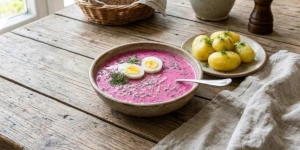
Lithuanian Cold Beet Soup (Šaltibarščiai) Recipe
Region: Lithuania
- Preparation time
- 30 minutes
- Total time
- 4 hours
- Yield
- 4 servings
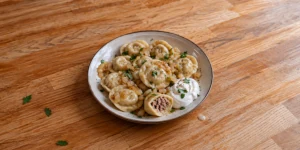
Koldūnai: Homemade Lithuanian Meat Dumplings
Region: Vilnius
- Preparation time
- 45 minutes
- Total time
- 1 hour
- Yield
- 4 servings
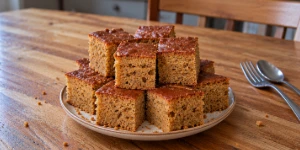
Meduolis Recipe: Lithuanian Spiced Honey Cake
- Preparation time
- 20 minutes
- Total time
- 1 hour 10 minutes
- Yield
- 8 servings
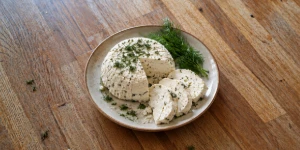
Lithuanian Curd Cheese Recipe (Varškės Sūris)
- Preparation time
- 15 minutes
- Total time
- 6 hours
- Yield
- 1 pressed cheese; weight varies
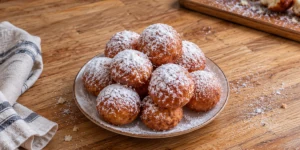
Lithuanian Spurgos: Traditional Curd Cheese Donuts
- Preparation time
- 20 minutes
- Total time
- 40 minutes
- Yield
- 24-28 small spurgos
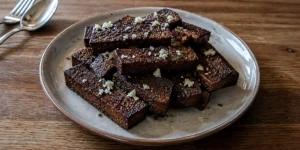
Kepta Duona - Lithuanian Fried Rye Bread with Garlic
- Preparation time
- 10 mins
- Total time
- 25 mins
- Yield
- 4 servings

Kibinai - Traditional Karaim Meat Pastries from Trakai
Region: Trakai
- Preparation time
- 50 mins
- Total time
- 1 hour 20 mins
- Yield
- 10-12 pastries
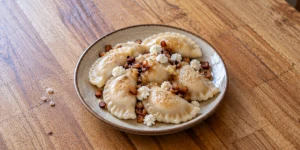
Virtiniai su Varške: Lithuanian Dumplings with Curd Cheese
- Preparation time
- 45 minutes
- Total time
- 1 hour
- Yield
- 4 servings
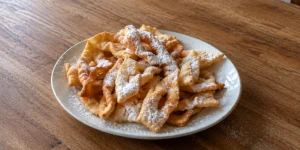
Žagarėliai - Traditional Lithuanian Angel Wings
- Preparation time
- 1 hour
- Total time
- 1 hour
- Yield
- 1 large platter
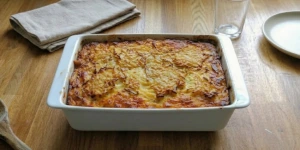
Kugelis (Baked Potato Pudding)
Region: Dzūkija, Aukštaitija
- Preparation time
- 45 mins
- Total time
- 2 hours
- Yield
- 8 servings
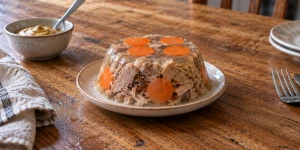
Šaltiena Recipe: Traditional Lithuanian Pork Aspic
- Preparation time
- 45 minutes
- Total time
- 13 hours 45 minutes
- Yield
- 8 servings
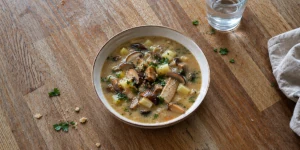
Baravykų Sriuba - Lithuanian Wild Porcini Mushroom Soup
Region: Dzūkija
- Preparation time
- 20 minutes
- Total time
- 50 minutes
- Yield
- 4 servings
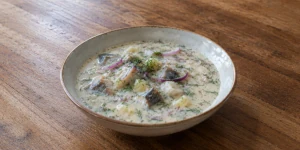
Cibulynė recipe: Lithuanian cold onion and herring soup
Region: Samogitia
- Preparation time
- 25 mins
- Total time
- 40 mins
- Yield
- 4 servings

Skilandis: Cold Smoked Pork Sausage
Region: Suvalkija
- Preparation time
- 2 hours
- Total time
- 2 months
- Yield
- 1 large skilandis
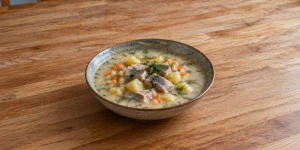
Jūšia - Traditional Lithuanian Herring Soup
Region: Lithuania
- Preparation time
- 45 minutes
- Total time
- 1 hour 10 minutes
- Yield
- 4 servings
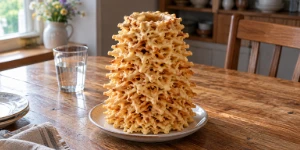
Šakotis Recipe: Traditional Lithuanian Tree Cake on a Spit
- Preparation time
- 1 hour
- Total time
- 4 hours 30 minutes
- Yield
- 1 large spit cake, about 20-30 servings depending on size
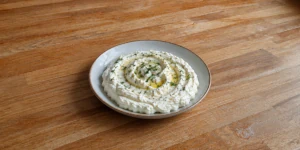
Lithuanian Kastinys Recipe (Sour Cream & Butter Spread)
- Preparation time
- 15 mins
- Total time
- 20 mins
- Yield
- 6-8 servings
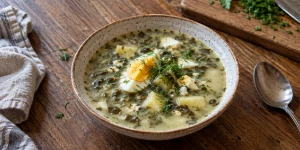
Rūgštynių Sriuba Recipe: Lithuanian Sorrel Soup
- Preparation time
- 15 minutes
- Total time
- 1 hour 35 minutes
- Yield
- 4 servings
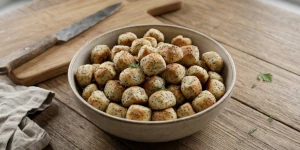
Kučiukai: Lithuanian Christmas Eve Poppy Seed Biscuits
- Preparation time
- 1 hour 15 minutes
- Total time
- 1 hour 30 minutes
- Yield
- 6 servings

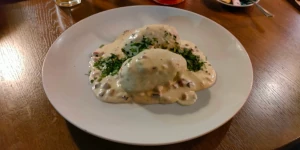
Cepelinai (Potato Dumplings with Meat)
- Preparation time
- 1 Hour 30 Minutes
- Total time
- 2 Hours 5 Minutes
- Yield
- 4 servings (makes 8-10 large dumplings)
About Lithuanian cuisine:
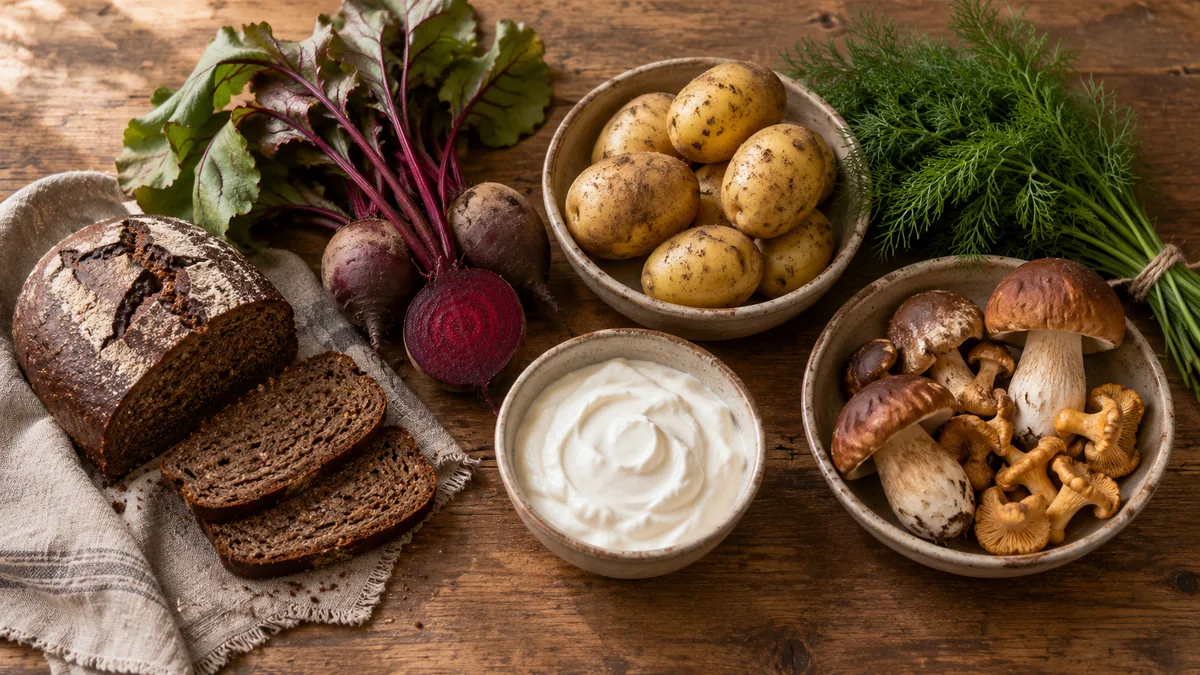
The Lithuanian pantry reflects a short growing season and the need to carry produce into winter. Rye bread and potatoes provide substance, while beetroot, cabbage and cultivated or forest mushrooms can be prepared fresh or kept for later. Cultured dairy adds acidity to the summer table, often alongside fresh dill and garden vegetables. As the weather cools, the kitchen turns to baked potato mixtures, warmer broths and the deeper flavours of dried mushrooms and preserved vegetables.
Lithuanian cuisine developed around the climate and agricultural traditions of the eastern Baltic. Rye bread, grains, dairy products, pork, cabbage, beets, mushrooms, berries and freshwater fish all have deep roots in local cooking. Potatoes arrived much later than rye and grains but became increasingly important from the eighteenth and nineteenth centuries and are now central to dishes such as cepelinai, kugelis and potato pancakes.
Fermentation, smoking, drying and pickling were essential ways to preserve food through the winter. Sour rye bread, fermented cabbage and cucumbers, smoked meat and fish, curd cheese and cultured dairy products remain recognizable parts of Lithuanian food today.
The history of Lithuanian cuisine
The food culture of Lithuania reflects both rural Baltic traditions and the complex history of the Grand Duchy of Lithuania. Centuries of contact with Polish, Belarusian and other neighboring cuisines created many shared dishes and techniques. Jewish, Tatar and Karaite communities also left important culinary traditions, particularly in towns and around Vilnius and Trakai. Lithuania Minor developed additional connections with Prussian and German food culture.
Noble and urban cooking could be considerably more elaborate than peasant food, using game, imported spices, fish and confectionery. Rural households depended more directly on grains, dairy, vegetables, pork, forest products and whatever could be stored through the winter. Modern Lithuanian cuisine includes elements of both traditions.
Regional Lithuanian food
Dzūkija, one of the country's most heavily forested regions, is particularly associated with mushrooms, berries and buckwheat. Mushroom soups, dried mushrooms and buckwheat dishes remain important parts of its culinary identity.
Žemaitija, or Samogitia, has strong potato and dairy traditions. Dishes associated with the region include kastinys, a seasoned whipped dairy spread, and various potato preparations. Aukštaitija has its own grain, dairy, beer and dumpling traditions, while Suvalkija developed in a fertile agricultural region with strong traditions of meat, baking and dairy products.
Lithuania Minor, historically connected with East Prussia and the Baltic coast, adds a particularly strong fish tradition. Smoked and preserved fish, potatoes and German-Prussian influences distinguish parts of its regional cooking.
Traditional Lithuanian dishes
Well-known recipes include cepelinai, kugelis, šaltibarščiai, žemaičių blynai, koldūnai and numerous soups and dumplings. Rye bread remains one of the most culturally important foods, while curd cheese, sour cream, kefir and butter appear throughout both savory and sweet cooking.