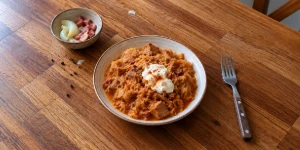
Székelykáposzta Recipe: Hungarian Pork and Sauerkraut Stew
- Preparation time
- 20 minutes
- Total time
- 2 hours
- Yield
- 6 servings

Explore traditional Hungarian recipes, from paprika-seasoned dishes and warming soups to dumplings and baking. Find an everyday meal or a dish for a special occasion.

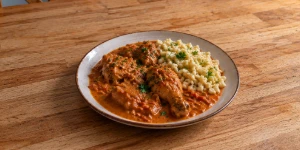
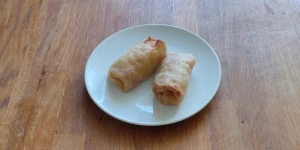

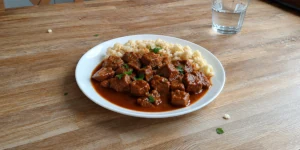
Region: Hungary
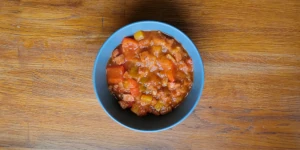
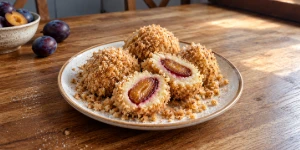

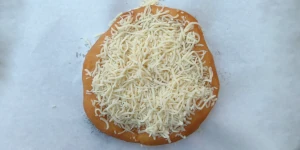
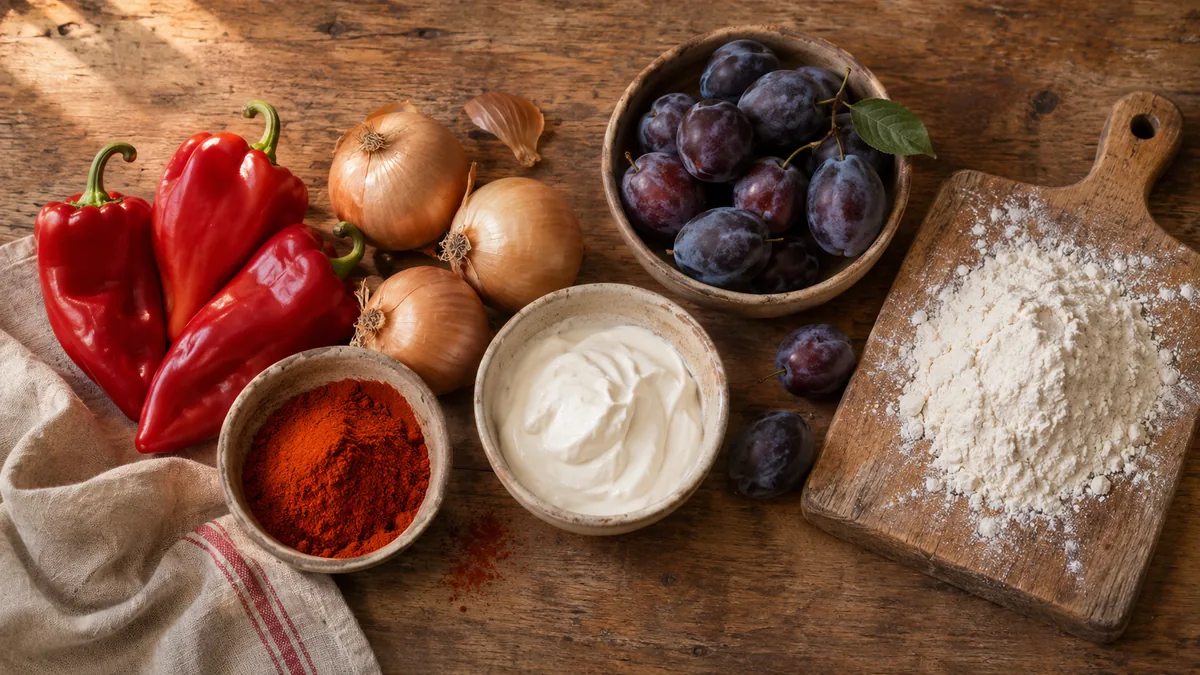
Paprika gives many Hungarian dishes their colour and depth, especially when it meets softened onions at the start of a slow-cooked meal. Sweet paprika lends warmth and fragrance, while hotter varieties give the cook a different kind of heat. Sour cream can round out a sauce or soften the sharpness of a vegetable dish. The same kitchen has a strong tradition of working with dough, and ingredients such as plums, walnuts and poppy seeds give the sweet side of Hungarian cooking a character of its own.
Hungarian cuisine is known for paprika, onions, pork fat, sour cream and slow-cooked meat dishes, but that is only part of the picture. Traditional Hungarian recipes also make extensive use of cabbage, beans, potatoes, root vegetables, freshwater fish, poultry, pork, beef, fruit, poppy seeds, walnuts and seasonal produce. Soups are particularly important, ranging from gulyásleves and halászlé to bean, vegetable and cold fruit soups.
Gulyás, pörkölt and paprikás are related but distinct parts of Hungarian cooking. Gulyás developed as a soup associated with cattle-herding traditions, pörkölt is a concentrated meat stew with relatively little liquid, and paprikás is a paprika-based preparation in which sour cream is characteristic of many versions. Treating all three simply as "goulash" hides important differences.
Hungarian food developed from several layers of history. Early Magyar pastoral traditions contributed meat, grain and cauldron cooking, while medieval Hungary was connected to Central European court culture and long-distance trade. Ottoman rule over large parts of Hungary in the sixteenth and seventeenth centuries added further Balkan and Ottoman connections, while the Habsburg period intensified culinary exchange with Austria, Bohemia and other parts of Central Europe.
Capsicum peppers arrived in Europe after contact with the Americas, but paprika became a defining Hungarian seasoning much later, especially during the eighteenth and nineteenth centuries. Sweet and hot varieties eventually became central to dishes now considered national classics.
The Alföld is closely associated with cattle and shepherd cooking, including the wider gulyás tradition. The southern plain is also important for paprika cultivation and for fish soups associated with the Tisza and Danube. Szeged and Baja have distinctive traditions of halászlé prepared in different ways.
Western regions show strong Central European connections and make extensive use of pork, poultry, cabbage, dairy products, freshwater fish and pastries. Around Lake Balaton, fish dishes remain part of the regional food identity, while vineyards add an important wine tradition.
Hungarian cuisine is also rich in noodles, dumplings, vegetable stews known as főzelék and baked goods. Dobos torta, rétes, bejgli, pogácsa and numerous fruit and poppy-seed pastries show that the country's culinary heritage extends far beyond paprika stews.