
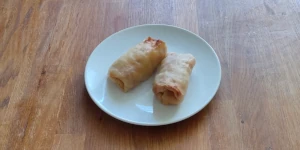
Töltött káposzta - Hungarian cabbage rolls
Töltött káposzta, widely regarded as the "king of Hungarian comfort food," is far more than just a meal; it is a cultural institution. While known globally as stuffed cabbage, in Hungary, it carries various regional names such as szárma (primarily in the South) or takart (in the East). This dish is the cornerstone of winter celebrations, traditionally gracing tables during Christmas, weddings, and New Year’s Eve, as it is believed that eating it brings prosperity and good fortune.
The Evolution of a Culinary Icon
The history of Töltött káposzta is a fascinating journey through Central European history. Its direct ancestor is a dish called káposztás hús (meat with cabbage), which consisted of chunks of meat cooked together with shredded sauerkraut. The transformation into "stuffed" cabbage occurred through a confluence of culinary influences.
While cabbage has been a staple in the Carpathian Basin since the Middle Ages, the technique of rolling meat into leaves was popularized across the Balkans and Hungary during the centuries of Ottoman Turkish influence. By the 18th century, the dish had firmly established itself in Hungarian households, evolving from a simple peasant meal into a sophisticated delicacy served in aristocratic courts.
A Glimpse into the Past: Historical Manuscripts
The earliest written evidence of this dish dates back to the 17th century. One of the most famous early documentations can be found in the "Szakácsmesterségnek könyvecskéje" (The Little Book of the Cooking Craft), published in Kolozsvár in 1695.
A sós káposztát szépen aprítsd meg, azonban nyers tehénhúst szalonnával öszve kell vágni jól a vágókéssel, szép aprón, abba bors, gyömbér, só; ez meglévén darabonként takargasd egész káposztalevélben, elsőben az ormóját lemetélvén azaz a torzsácskáját, rakd fazékba az aprított káposztával, főzd meg jól; és mikor megfőtt, egy kevés bort bocsáss belé, jobb ízű lesz, tálald fel; ha megborsolod, annál jobb lészen.
Translation:
Finely chop the sauerkraut, but raw beef mixed with bacon should be chopped finely with a carving knife, adding pepper, ginger, and salt; once this is done, wrap each piece in a whole cabbage leaf, first removing the top, that is, the small part of the stem, and put it in a pot with the chopped cabbage, cook it well; and when it is cooked, add a little wine, it will taste better, serve it; if you season it with pepper, it will be even better.
It is noteworthy that in these early versions, rice-now a standard filler-was a luxury ingredient. Historically, Hungarians often used millet or barley (gárgya) to stretch the meat, a tradition that still persists in some rural Transylvanian pockets today.
Regional Popularity and Variations
While Töltött káposzta is a national dish, its character shifts as you travel across the Hungarian-speaking regions:
- Szabolcs-Szatmár-Bereg: In this eastern region, the rolls are famous for being incredibly tiny, often no larger than a thumb, and are typically cooked in a tomato-based broth.
- Transylvania (Erdély): Here, the dish is known for its sheer size and the generous use of smoked meats and summer savory (csombor), an herb that gives Transylvanian cabbage its distinctive, ancient aroma.
- The Great Plain (Alföld): This version usually features larger rolls seasoned heavily with high-quality red paprika and served with a thick layer of sour cream (tejföl).
Global Connections: Sarmale and Kåldolmar
The influence of this dish extends far beyond the Hungarian borders. In neighboring Romania, sarmale is considered the national dish, often served with polenta (mămăligă). Interestingly, the dish even reached Sweden, where it is known as kåldolmar. Legend has it that King Charles XII of Sweden brought the recipe back from the Ottoman Empire in the early 18th century after his exile in Bender.
Why Töltött Káposzta Endures
The secret to its longevity lies in the Hungarian proverb: "The cabbage is best when reheated." Unlike many dishes that lose their appeal the next day, Töltött káposzta is unique because the flavors of the fermented cabbage, fats, and spices continue to meld and deepen over time. It is a dish designed for patience, traditionally prepared in large clay pots that retain heat and allow the ingredients to simmer into a harmonious, savory masterpiece.
Recipe information:
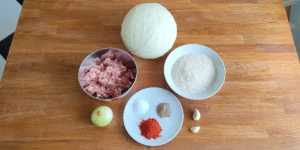
Ingredients
Steps
1. Prepare the rice and base
2. Make the meat filling
3. Prepare the cabbage leaves
4. Stuff and roll
5. Layer the pot
6. Slow cooking
7. Finish and serve
Frequently Asked Questions (FAQ):
How do you prevent cabbage rolls from falling apart during cooking?
Make sure the leaves are soft and pliable before rolling, and trim the thick stem to make folding easier. Rolling them tightly and placing them seam-side down in the pot helps them hold their shape during long simmering.
Why is it important to simmer cabbage rolls slowly rather than boil them?
Gentle simmering allows the meat and rice filling to cook evenly while keeping the rolls intact. Rapid boiling can cause the rolls to break apart and results in a less tender texture.
How can you enhance the flavor of the sauce in Hungarian cabbage rolls?
Using sauerkraut, smoked meats, and paprika creates a deep, tangy, and slightly smoky flavor. Layering these ingredients in the pot helps infuse the entire dish with rich taste during cooking.
Can töltött káposzta be made ahead and reheated?
Yes, it is often even better the next day. Resting allows the flavors to fully develop and blend, making reheated cabbage rolls more flavorful and balanced.
Should the rice in the filling be cooked before stuffing the rolls?
The rice is usually added raw or partially pre-cooked. It finishes cooking during the simmering process, absorbing flavors from the sauce and keeping the filling tender.