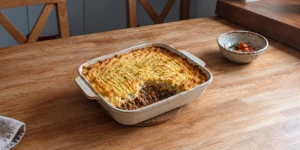
Shepherd's Pie: Mutton and Potato Pie
Region: Scotland, England
- Preparation time
- 0.33 hours
- Total time
- 1.16 hours
- Yield
- 4 to 6 servings

Explore traditional British recipes, from shepherd’s pie and Scotch eggs to Eton mess. Find comforting meals, regional favourites and classic baking to make at home.
Region: Scotland, England
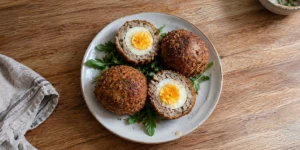
Region: England
Region: England
Region: Berkshire
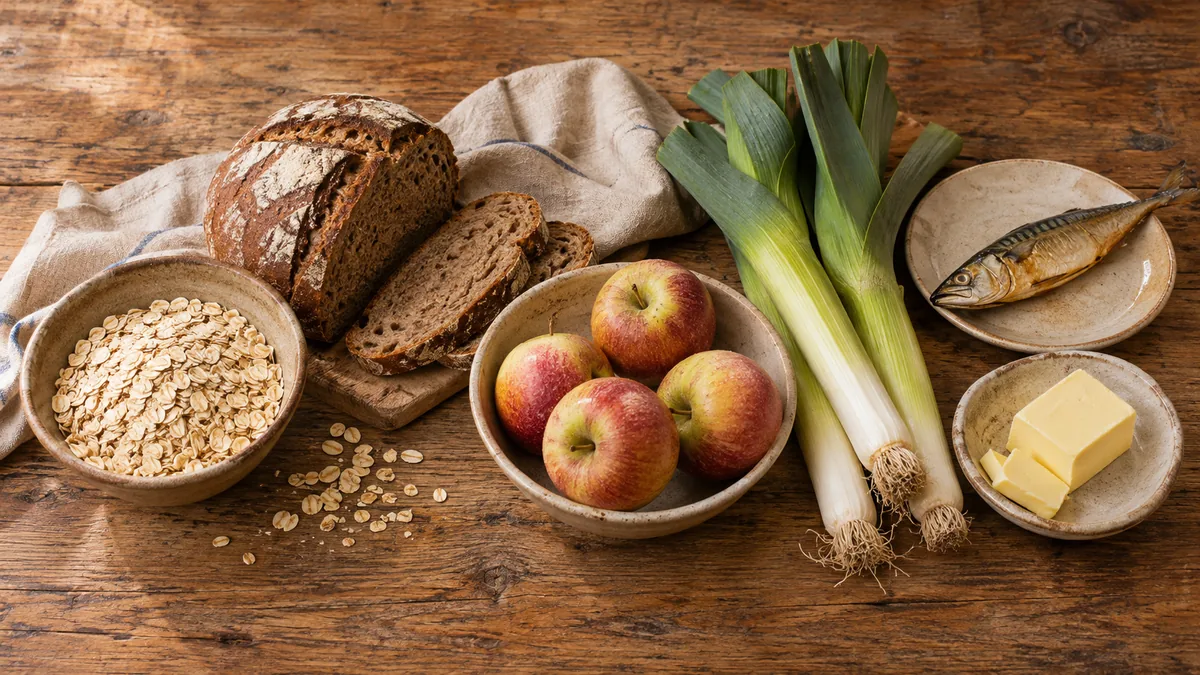
The British kitchen takes its cues from the coast, the farm and the orchard. Oats and barley have long had a place in Scottish cooking, while lamb and leeks are familiar in Wales and orchard fruit shapes much of the baking in parts of England. Along the coast, smoking and salting gave fish a life beyond the day it was landed. The oven is equally at home in the everyday kitchen, where a savoury filling under pastry or a fruit pudding makes something generous out of what is already on hand.
British cuisine is not one single cooking tradition. It brings together the regional food cultures of England, Scotland and Wales, shaped by farming, fishing, climate, trade and centuries of social change. Traditional British recipes make extensive use of grains, potatoes, root vegetables, cabbage, dairy products, beef, lamb, pork and fish. Pies, roasts, soups, puddings, breads and preserved foods developed as practical ways to turn local ingredients into substantial meals.
Many familiar British dishes grew from much older traditions of bread making, roasting, boiling, baking and preserving. Medieval households ate pottages, pies, bread, cheese, fish and meat according to season and social status. Later trade brought increasing quantities of sugar, tea, coffee and spices, while foods from the Americas, particularly potatoes, gradually became part of everyday cooking.
The Industrial Revolution changed the way Britain ate. Rapidly growing cities depended increasingly on commercial bakeries, markets, preserved foods and inexpensive meals. Dishes such as fish and chips became closely associated with industrial towns, while older rural recipes continued in homes and regional communities. Twentieth-century rationing also left a strong mark on home cooking, but many traditional dishes survived and later returned to restaurants and pubs.
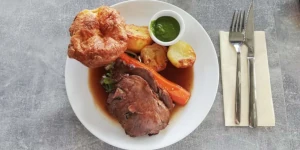
England has an especially varied regional food map. Roast beef with Yorkshire pudding, meat pies, Cornish pasties, Lancashire hotpot and numerous regional sausages sit alongside cheeses such as Cheddar and Stilton. Coastal communities developed strong traditions of smoked, salted and fried fish, while counties with orchards became known for cider, fruit puddings and preserves.
Scottish cooking reflects its own landscape and agricultural history. Oats, barley, potatoes, lamb, beef, game and seafood appear frequently. Haggis, oatcakes, Cullen skink, smoked haddock, salmon and traditional soups remain strongly associated with Scotland, as do shortbread and other baked goods.
Welsh cuisine developed around sheep farming, dairy products, oats, leeks and coastal foods. Cawl, Welsh rarebit, laverbread, Welsh cakes and bara brith are among its best-known dishes. Taken together, these regional traditions show why British food is better understood as a collection of local cuisines rather than a short list of national dishes.