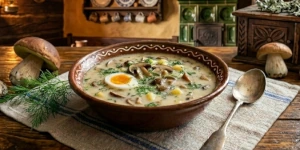
Traditional Czech cuisine and its recipes.

Jump to recipes

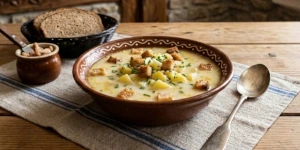
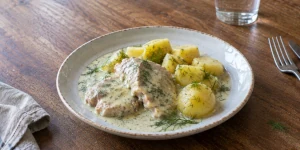
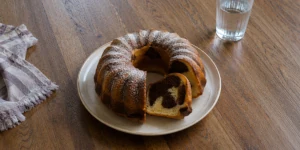
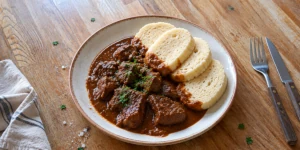
Czech cuisine belongs to the Central European tradition, strongly intertwined with the history of neighboring countries. At its heart lie the historical regions of Bohemia, Moravia, and Silesia. It has distinct regional differences and influences from Polish, Bavarian, Austrian, and Hungarian cuisine. It is a rich cuisine with folk roots, combining the strength and simplicity of rural recipes with the imperial heritage of Austria-Hungary. It is famous for its filling meat dishes served with a variety of dumplings and spicy goulash and cabbage soups. For centuries, Czechs have eaten roasts, stews, and ribs, almost always washed down with beer-the country holds the world record for pilsner consumption. At the same time, Czech tables were dripping with sweetness: fruit dumplings made from bread rolls, poppy seed strudels, and yeast cakes with cottage cheese were traditionally popular. It is therefore not surprising that it is described as a stewed cuisine (stewed meat and vegetables) with crispy fried snacks. The aromas of caraway, marjoram and juniper, so often used with pork and game, are clearly noticeable. It is even said that "dumplings are the king" of the Czech plate. They can be found alongside roast goose and beef, as well as in desserts with cream sauce or fruit.

It is worth noting that Czech cuisine also has another side to it - one that is equally rich in "lightness." Although many dishes seem heavy at first glance, they are only eaten occasionally. Everyday meals also include many light options: delicate vegetable soups with herbs, mayonnaise salads with cucumbers and beans, and poultry or rabbit stewed with vegetables are also becoming more common on the menu. Nowadays, the Czech diet is becoming more and more varied. Pig farming allows them to eat meat more often than in the past, when meat was traditionally served only once a week. At the same time, traditional rye sourdough baking is also making a comeback. Dark, sour bread used to play an important role. Home drying of fruit and vegetables is now making a comeback as a base for jams and marmalades. This balance between simple country cooking and fine cuisine is the essence of the Czech culinary style.

The history of Czech cuisine

Czech cuisine has very deep roots. Already in the Middle Ages, meals were based on bread, cheese, and buttermilk, often enriched with local groats (buckwheat, millet, or barley) and various vegetable soups. From the early Middle Ages, Czechs ate cereal dishes, legumes, and pickled vegetables. The lack of meat was compensated for with aromatic spices (especially caraway) and an abundance of cabbage and legumes. The first handwritten recipes appeared in the 14th and 15th centuries, and culinary traditions flourished with the development of Czech cities. The Renaissance introduced grains from the New World (potatoes, corn) and spices from the East to the menu, but it was not until the 16th century that a true culinary revolution took place - the kitchens of castles and wealthy palaces were already drawing heavily on Italian, Spanish, and French delicacies. It was then that the first printed cookbooks began to appear. They taught how to use herbs, olive oil, and sugar, introducing groundbreaking innovations to the Czech table. The 18th century also saw a small breakthrough - Tyrolean dumplings (wheat/potato dumplings) arrived in the Czech lands, enriching the menu with crispy bread dumplings served with goulash or sauce.

At the end of the 19th century, the Czech capital became one of the culinary centers of Europe. Prague, competing with Vienna and Paris, attracted the best chefs. The courts were dominated by lavish French-style banquets. This translated into an exquisite menu: soups, fish, poultry, meat, and sweet desserts were served in succession. Rich meats with creamy sauces (such as the famous svíčková) and tasty poultry roasted with dried fruit became popular in aristocratic homes. At that time, trade in game, wines from southern Moravia, and sweet fruit fillings for pancakes and dumplings also developed.

The turn of the century brought new challenges. In the 20th century, the fate of the country-war, German occupation, and later communist domination-hampered the natural development of cuisine. Under communist rule, for four decades, chefs were required to use a single official book entitled Recipes for Hot Dishes. As a result, between 1948 and 1989, the countries of the Eastern Bloc lost their European traditions. Stoves were heated with almost ready-made mixes for the masses, and skilled chefs were not allowed to experiment. After the Velvet Revolution of 1989, this stagnation seemed to continue for a long time. In the 1990s, attempts to imitate Western cuisine and prepare classic Czech cuisine in a rather clichéd way (goulash, fried cheese, etc.) continued to dominate.

It was not until the beginning of the 21st century that we saw a great metamorphosis. Young chefs began to dust off old recipes from 19th-century cookbooks and restore the taste of forgotten dishes. Gastropubs and restaurants serving Czech cuisine with a modern twist appeared on the gastronomic scene. Recipes from years gone by were rediscovered, allowing menus to be enriched with missing ingredients from old dishes. Today, Czech cuisine is experiencing a renaissance: websites, magazines, and culinary bloggers enthusiastically describe its revival. Czechs have rediscovered their heritage, from the famous goulash with dumplings to aromatic liqueurs and gingerbread. It turns out that with a little creativity, old recipes can combine tradition with the finesse of world cuisine.

Culinary regions and their diversity

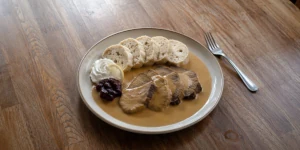
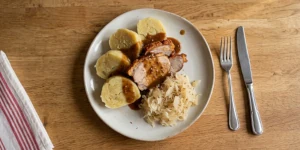
Each region of the Czech Republic has developed its own specialties, although there is a strong common culinary theme. In the western part of the country, known as Bohemia, pork and beef dishes dominate. The classic vepřo-knedlo-zelo - roast pork with dumplings and sauerkraut - is known to almost every Czech, as are goulash and fried cheese. Long winters necessitated fortifying soups (goulash, dill, tripe, cabbage soup) and thick meat sauces on richly seasoned vegetables. Such dishes are always accompanied by Czech bread (dark rye sourdough) and aromatic spices - caraway and marjoram are traditional additions here, and rowanberry or juniper are often added to game meats to enhance the flavor. An important feature of Bohemia is also its beer culture - every meal ends or begins with a mug of local lager (beer has been brewed in Plzeň and Pardubice for centuries). In the south of the Czech Republic, where fish ponds stretch out (the famous Třeboň), carp dishes are popular: baked carp in butter, carp in jelly, or smoked pike. In autumn, ducks and geese are roasted and served with dumplings and red cabbage, combining the taste of meat with caramelized apples and the aroma of herbs.

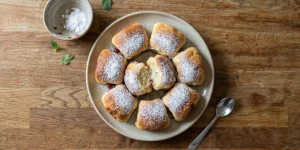
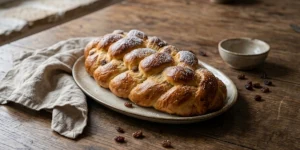
The cuisine of Moravia is completely different. Thanks to its milder climate and fertile soil, Moravia is a land of vines, fruits, and milder flavors. Much of northeastern Moravia (the Haná region) is famous for its cheeses, especially the intensely fragrant, matured Olomouc tvarůžky. This is a milk cheese with a distinctive aroma, which is served on its own or in salads. Another Moravian sweet treat is valašské frgály - large round yeast cakes with poppy seeds, cottage cheese or fruit, baked especially in the Zlín region. Moravia is also known for its meat dishes - moravský guláš (goulash with local wine) and game are particularly popular. Eastern Moravia (the Slovak-German Carpathian region) attracts lovers of pickled foods - Nosovice cabbage (Nosovické kysané zelí) and salmon are grown there in the cuisine of the Galician hills. Moravia is also home to perník - traditional spiced gingerbread from Pardubice, baked since the 16th century; and sweet cakes with apricots (raisins) or cherries, which have often been a staple of wedding tables since the dawn of time.

In the Czech-Slovak region (Moravian Silesia, bordering Poland), we find influences from mountain cuisine: traditional game sausages, sour freshwater fish, and sour side dishes. For example, the Jeseník area is famous for smoked trout and military goulash with sour cabbage, similar to Polish influences. Pardubice (eastern Bohemia), on the other hand, attracts tourists with hořické trubičky - thin cream-filled waffle tubes made according to a traditional recipe, and the aforementioned perník. Southwestern Bohemia (around Karlovy Vary) is known for its delicate karlovarské oplátky - thin wafers layered with whipped cream (a souvenir from the spas).

Although individual regions may have their own exquisite specialties and seasonal dishes, they all have one thing in common: a love of simple, hearty food, often prepared from scratch. Fresh vegetables (tomato and cucumber salad) and homemade preserves - jams made from seasonal fruits or sweet sauces made from plums and apples - are a must on Czech tables and often accompany desserts or cheeses. In spring, caramelized white cheese sprinkled with poppy seeds (cottage cheese cake) or the symbol of Easter, roast goose with apples, are a must. In this way, traditional Czech cuisine, despite its transformations, still combines a homely atmosphere with a deep memory of regional recipes. Every bite is reminiscent of the country's landscape and history: from thick sauce with dumplings from Prague, through sweet Moravian dumplings, to the slightly sour flavors of the south - and at the same time, it is open to what is new and seasonal. There is something for everyone on the Czech culinary map, and the richness of flavors testifies to the long and colorful tradition of this heart of Europe.

Czech recipes:

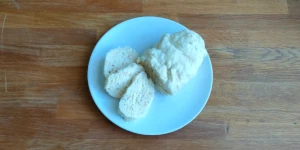
Houskový knedlík - Bread dumplings

Houskový knedlík - Bread dumplings

timer50 minutes
access_time70 minutes
soup_kitchenServings 6
4.5 (2)
Bramboráky - Czech Potato Pancakes

Bramboráky - Czech Potato Pancakes

timer15 minutes
access_time25 minutes
soup_kitchenServings 4
4 (1)
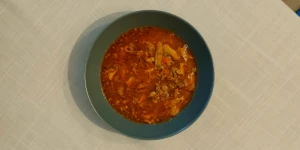
Czech Dršťková polévka - homemade beef tripe soup with aromatic spices

Dršťková Polévka - Czech beef tripe

timer120 minutes
access_time240 minutes
soup_kitchenServings 6
4 (1)