
Lángos - Hungarian fried dough
What is Lángos?
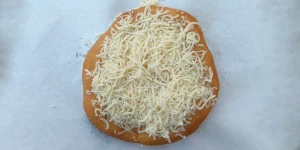
Lángos (pronounced lahn-gosh) is the ultimate Hungarian street food. It is a traditional, deep-fried yeasted flatbread that is delightfully crispy on the outside and incredibly soft and fluffy on the inside. Authentically, it is brushed with garlic water and famously served savory-piled high with thick sour cream (tejföl) and a mountain of finely grated cheese.
The Origins: Born from the Flame
If there is one dish that can be called Hungarian fast food, it is Lángos. Every tourist traveling around this beautiful country must taste it at least once. But this iconic treat actually has very humble, rustic roots.
Lángos was originally created alongside the tradition of baking bread in massive brick ovens. The name itself comes from the Hungarian word 'láng', which means "flame." When housewives kneaded large batches of bread dough, they would gather the leftover scraps stuck to the sides of the wooden kneading trough. They formed these scraps into small flatbreads and tossed them into the front part of the still-hot brick oven, right next to the flames.
In the old days, baking bread was an exhausting task done only every 5 to 7 days, as families baked massive 3-5 kilogram loaves. On baking day, fresh lángos was served as a quick, warm breakfast before the main loaves were ready.
The Evolution of Hungarian Street Food
Over time, as the tradition of home-baking bread slowly faded, lángos didn't disappear-it evolved. By the late 1950s, small artisans began deep-frying the dough instead of baking it. It gained massive popularity in the 1970s and remains a staple at food stands, markets, and thermal baths all over Hungary today.
While the classic version is plain or topped with sour cream, regional variations exist. In the southwestern region of Hungary, wealthier residents historically added bacon to the dough. Today, you can also find krumplis lángos, a fantastic variation where mashed potatoes are folded directly into the dough for an even softer texture.
Expert Tips for Authentic Lángos
To make your lángos taste exactly like the ones sold on the streets of Budapest, keep these two secrets in mind:
- The Garlic Water Secret (Fokhagymás kence): Hungarians rarely put raw minced garlic straight onto the dough. Instead, they crush garlic cloves into a small cup with a little water and a drop of oil, creating a "garlic wash". You use a pastry brush to sweep this intensely flavored water over the freshly fried, hot bread.
- The Edge Technique: When shaping the dough, gently stretch it from the center outwards so that the edges remain slightly thicker than the middle. This ensures you get a crispy center to hold the toppings and a thick, chewy crust to bite into.
Recipe information:
Ingredients for the Yeasted Dough
Ingredients for the Authentic Toppings
Step-by-Step Instructions
1. Activate the Yeast
2. Knead the Dough
3. The Crucial First Rise
4. Shape the Flatbreads
5. Deep-Fry to Golden Perfection
6. Drain and Garnish
Frequently Asked Questions (FAQ):
How do you make Lángos light and airy instead of dense?
Allow the yeast dough enough time to rise in a warm place until doubled in size. Proper fermentation creates air pockets that give the fried dough a soft interior and slightly chewy texture. Avoid adding too much flour, which can make the dough heavy.
What oil temperature is best for frying Lángos?
The oil should be heated to approximately 180-190°C (350-375°F). Proper temperature ensures the dough becomes golden and crispy on the outside while remaining soft inside without absorbing too much oil.
Can Lángos dough be prepared in advance?
Yes, the dough can be refrigerated after the first rise and used within 24 hours. Slow fermentation may even improve flavor and texture, making preparation more convenient for parties or gatherings.
What are traditional and popular toppings for Lángos?
Classic toppings include garlic oil, sour cream, and grated cheese. Modern variations may include ham, sausage, herbs, or even sweet toppings like jam or chocolate spread, allowing many flavor combinations.
Can Lángos be made with potatoes in the dough?
Yes, some regional variations include mashed potatoes mixed into the dough, which creates a softer interior and slightly richer flavor while keeping the characteristic crispy exterior after frying.