
Pastitsio - Traditional Greek Pasta Casserole
Traditional Greek Pastitsio
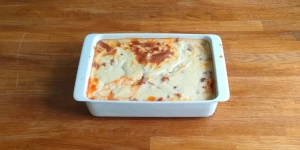
Pastitsio is a Greek baked pasta dish made with distinct layers of tubular pasta, seasoned minced meat and thick béchamel. Once baked, the top becomes golden while the pasta and meat underneath settle into firm layers that can be cut into substantial square portions.
It is sometimes described outside Greece as Greek lasagna because both dishes combine pasta, meat sauce and a creamy topping. The comparison is useful for describing its structure, but pastitsio has its own ingredients, seasonings and preparation method.
The history of Pastitsio
Pastitsio belongs to a wider Mediterranean tradition of baked pasta dishes. Its name is related to the Italian pasticcio, a term historically used for elaborate preparations containing combinations of pasta, meat, pastry and other ingredients.
Italian and particularly Venetian influence is still clearly visible in the cooking of the Ionian Islands. Corfu preserves several unusual pasta dishes related to this tradition, including pastitsio dolce and pastitsio tis nonas. These older Corfiot preparations can be considerably more elaborate than the familiar modern Greek pastitsio.
The pastitsio now recognised throughout Greece is a more clearly structured casserole: a pasta layer on the bottom, concentrated minced meat sauce in the middle and a substantial béchamel layer on top.
Pastitsio in modern Greek cooking
Pastitsio is now found throughout Greece and is regarded as one of the country's familiar baked dishes alongside moussaka. It is substantial enough to serve as the centre of a meal and is particularly suitable for preparing a large baking dish for several people.
The finished dish depends on contrast between its three main parts. The pasta should remain firm enough to form the base, the meat sauce should be concentrated rather than watery, and the béchamel should be thick enough to remain as a separate top layer.
The pasta layer
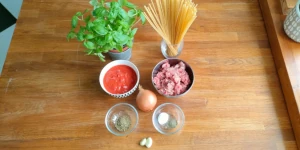
Greek pastitsio is traditionally associated with long, thick tubular pasta. Greek pasta sold specifically for pastitsio is ideal, although bucatini or another long tubular pasta can be used when it is unavailable.
The pasta should be cooked only until firm because it continues cooking in the oven. After draining, it can be combined with egg and grated hard cheese. This helps the strands bind together during baking and produces the characteristic compact layer visible when a portion is cut.
The meat sauce
The middle layer is a thick minced meat sauce. Beef is widely used in modern Greek pastitsio. Onion, tomato and wine provide the base, while cinnamon gives the filling a characteristic warm aroma.
The sauce should be cooked until most of its free liquid has evaporated. This is important because a watery meat mixture will run into the pasta and prevent the finished casserole from holding clean layers.
Cinnamon should remain in the background. It should be noticeable as a warm aroma without making the meat sauce taste sweet.
The Béchamel topping
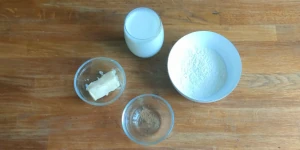
A thick béchamel forms the upper layer of modern Greek pastitsio. Butter and flour are cooked together before warm milk is gradually whisked in. The sauce is then cooked until substantially thicker than an ordinary pouring sauce.
Egg yolks and grated cheese enrich the béchamel and help it set during baking. Nutmeg is a characteristic seasoning. The sauce should be allowed to cool slightly before the yolks are incorporated so they mix smoothly rather than cooking immediately.
Assembling Pastitsio
The pasta is arranged across the bottom of a deep baking dish and pressed into a relatively even layer. The thick meat sauce is spread over it without disturbing the pasta underneath.
The béchamel is then spread over the meat and finished with grated cheese. During baking, the upper surface becomes golden while the egg and cheese help the pasta and béchamel layers set.
Why Pastitsio needs to rest
Pastitsio should rest after it comes out of the oven. When freshly baked, the béchamel and meat filling are still very soft. Cutting immediately causes the layers to spread across the plate.
After about 20 to 30 minutes, the casserole becomes considerably easier to portion. The characteristic pasta, meat and béchamel layers remain visible when each piece is removed from the baking dish.
Pastitsio and Moussaka
Pastitsio and moussaka share a meat filling and béchamel topping, but their bases are different. Pastitsio is fundamentally a pasta dish, while modern Greek moussaka is built around eggplant and sometimes potatoes.
The seasonings can also overlap, particularly cinnamon in the meat sauce and nutmeg in the béchamel. Despite these similarities, they are separate dishes with different textures and preparation methods.
Regional variations
The familiar layered pastitsio is now found across Greece, but it should not be treated as the only Greek dish bearing this name. Corfu has preserved particularly interesting versions connected with centuries of Venetian influence on Ionian cooking.
Corfiot pastitsio dolce, for example, is a much more elaborate preparation in which pasta and various meats are enclosed between layers of pastry. Another local preparation, pastitsio tis nonas, combines thick pasta with ingredients such as tomato, cheese, egg and meat inside pastry. These dishes demonstrate that the Greek pastitsio tradition is broader than the modern béchamel-topped casserole.
How Pastitsio is served
Pastitsio is best served warm rather than immediately from the oven. After resting, it can be cut into square or rectangular portions that show the three distinct layers.
A simple salad or cooked vegetables are enough alongside it. The casserole itself already contains pasta, meat, cheese and a rich sauce, so it does not require a substantial side dish.
Expert tips:
Use long tubular pasta
Greek pastitsio pasta or bucatini produces the characteristic compact pasta layer and distinctive cross-section when the casserole is sliced.
Undercook the pasta slightly
The pasta continues cooking in the oven. Boiling it until completely soft before assembly can make the bottom layer lose its structure.
Reduce the meat sauce well
There should be very little loose liquid in the finished meat sauce. A thick filling keeps the layers separate and prevents a watery casserole.
Keep the béchamel thick
Pastitsio needs a substantial béchamel rather than a thin pouring sauce. It should remain clearly separated from the meat during baking.
Add the yolks off the heat
Allow the béchamel to cool briefly before adding the egg yolks so that they combine smoothly without scrambling.
Use cinnamon carefully
Cinnamon should give the meat a warm aroma without making the sauce taste sweet. A small amount is sufficient.
Let the Pastitsio rest
Do not cut it directly from the oven. Resting for at least 20 to 30 minutes makes a major difference to the structure of each portion.
Storage:
How to store
Allow leftover pastitsio to cool, cover it well and refrigerate.
Shelf life
Keep refrigerated and use within 3 days.
Reheating
Reheat portions in the oven until hot throughout. Cover loosely if the béchamel begins to brown too much.
Freezing
Pastitsio can be frozen after baking. Cool it completely, cut into portions if desired and freeze in airtight containers for up to 2 months. Thaw in the refrigerator before reheating.
Recipe information:
Pasta Layer
Meat Sauce
Béchamel
Substitutions for ingredients:
- Greek pastitsio pasta - Bucatini is the closest widely available substitute. Other thick tubular pasta can be used, although the finished cross-section will look different.
- Minced beef - A mixture of beef and pork can be used in a home-style variation.
- Kefalotyri or Kefalograviera - Pecorino Romano or Parmesan can be used when Greek hard cheese is unavailable.
- Red wine - A small amount of water or stock can be used when preparing the dish without wine.
Prepare the meat sauce
1. Cook the onion
2. Brown the beef
3. Add the wine
4. Add the tomatoes and seasoning
5. Reduce the meat sauce
Prepare the pasta
1. Cook the pasta
2. Drain the pasta
3. Add the egg and cheese
Prepare the béchamel
1. Cook the butter and flour
2. Add the milk
3. Cool slightly
4. Finish the béchamel
Assemble the Pastitsio
1. Make the pasta layer
2. Add the meat sauce
3. Add the béchamel
4. Add the cheese
Bake and serve
1. Bake the Pastitsio
2. Rest before cutting
3. Serve
Frequently Asked Questions (FAQ):
What is Pastitsio?
Pastitsio is a Greek baked pasta dish consisting of a firm pasta layer, seasoned minced meat sauce and thick béchamel topping.
Is Pastitsio Greek lasagna?
Pastitsio is sometimes described as Greek lasagna because both are layered baked pasta dishes, but it is a separate Greek dish with long tubular pasta, its own meat seasoning and a thick béchamel topping.
Is Pastitsio an ancient Greek dish?
The modern layered pastitsio should not be described as an ancient Greek recipe. It belongs to a wider Mediterranean family of baked pasta dishes and its name is related to the Italian pasticcio tradition.
What pasta is traditionally used for Pastitsio?
Greek pastitsio is commonly made with long, thick tubular pasta sold specifically for the dish. Bucatini is a useful substitute when Greek pastitsio pasta is unavailable.
What meat is used in Greek Pastitsio?
Minced beef is widely used in modern Greek pastitsio. Family recipes can use different meats or mixtures.
Why is cinnamon used in Pastitsio?
A small amount of cinnamon gives the meat sauce the warm aromatic character found in many Greek recipes. It should remain subtle rather than make the sauce taste sweet.
What cheese is used in Pastitsio?
Greek hard cheeses such as Kefalotyri or Kefalograviera are suitable. Pecorino Romano or Parmesan can be used when these are unavailable.
What is the difference between Pastitsio and Moussaka?
Pastitsio uses pasta as its base, while Greek moussaka is based mainly on eggplant and sometimes potatoes. Both can contain a seasoned meat layer and thick béchamel topping.
Why does Pastitsio need to rest before serving?
Resting allows the pasta, meat sauce and béchamel to firm after baking. This makes it possible to cut portions that retain their distinct layers.
Can Pastitsio be prepared ahead of time?
Yes. The meat sauce can be prepared in advance, and the assembled casserole can be refrigerated before baking. Baked pastitsio also reheats well.
Are there regional Greek versions of Pastitsio?
Yes. Corfu preserves distinctive preparations connected with the island's Venetian culinary heritage, including pastitsio dolce and pastitsio tis nonas, which differ considerably from the familiar béchamel-topped casserole.