
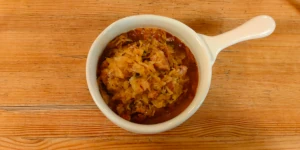
Bigos Myśliwski: The Ultimate Polish Hunter’s Stew Recipe
Bigos is a traditional Polish dish known for centuries. Regardless of whether you are looking for a filling, rich in ingredients meal or a delicious dinner at any time of the year, bigos is a great choice. There is really no single recipe. Depending on the region, season or other culinary preferences, the recipe may vary. Typically, however, the recipe for bigos contains solid ingredients such as cabbage, meat, sausages, mushrooms and aromatic spices. However, each cook or housewife has her own recipe.
How was bigos created?
The history of the creation of bigos is quite tortuous. On the one hand, it is a dish that contains all the ingredients easily available in a rural kitchen. On the other hand, the dish was cooked in field conditions by both poachers and hunters. Some even trace its origin to the early Middle Ages, when bigos was supposedly cooked from what was at hand. Its early varieties, however, differed from its current form. In the book "Compedium Ferculorum" from 1682, you can find several recipes for bigosek, among others, from capon, carp or bigosek with crayfish. However, none of the recipes contained therein mentions cabbage, which was more associated with rural cuisine. It is possible, however, that in this period there were also rural versions with cabbage.
In the eighteenth and nineteenth centuries, bigos was cooked during various types of hunting, hence the later common name of the variety hunting bigos. Over time, this dish spread so much that it found its way into the homes of every inhabitant of Poland. Currently, it is served on various occasions or family gatherings.
How to prepare bigos?
There are numerous ways to prepare Bigos. Certain chefs prefer utilizing solely sauerkraut, while others favor sweet cabbage exclusively; however, some blend two distinct types of cabbage. Commonly made with roasted or smoked pork or sausage and bacon, the ingredients for Bigos undergo stewing until they reach a soft texture before being heavily seasoned.
From the Hearth to the Noble Table
The history of Bigos is a winding path through Polish social hierarchy. While 17th-century texts like Compedium Ferculorum describe aristocratic versions featuring crayfish or capon, the version we recognize today-the true myśliwski-was forged in the field. Hunters would rely on durable, preserved ingredients: salted meats, forest mushrooms, and barrel-fermented cabbage. Over centuries, these humble ingredients ascended to become the pride of Polish home kitchens, defined by the "no waste" ethos of the countryside.
The Sensory Profile
True Bigos is defined by depth. It hits the palate with the sharp, acidic bite of kraut, immediately tempered by the unctuous richness of rendered bacon and slow-braised pork. The dried mushrooms provide a vital umami foundation that binds the meats to the vegetables, while the allspice and bay leaves lift the heaviness with their warm, resinous aromatics. The texture should be thick and cohesive, never watery.
Expert Handling
The secret is the "cabbage balance." Using only sauerkraut can sometimes render the dish too aggressive for modern palates, while using only fresh cabbage lacks the necessary pungency. A 70/30 split in favor of sauerkraut provides that quintessential depth. Remember: this is a dish that thrives on reheating. The flavors continue to marry and mellow, making it the perfect candidate for batch cooking.
Expert tips:
The "Next Day" Rule
Bigos undergoes a chemical transformation during cooling and reheating. If possible, make it a day in advance to allow the acids in the cabbage to fully penetrate the meat proteins.
Don't Fear the Fat
The fat from the bacon and pork is the primary flavor carrier. Do not skim it off completely; it emulsifies with the cabbage juice to create a luxurious mouthfeel.
Mushroom Water is Gold
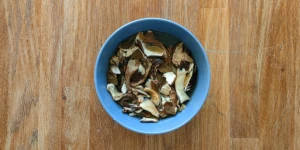
Never discard the water used to soak the dried mushrooms. It is packed with concentrated glutamates that provide the savory "backbone" of the stew.
Storage:
How to store
Store in a sealed glass or stainless steel container in the refrigerator.
Shelf life
Keeps for up to 5 days in the fridge; flavor actually improves over the first 3 days.
Freezing instructions
Bigos freezes exceptionally well. Portion into freezer-safe bags and freeze for up to 3 months. Thaw slowly in the refrigerator before reheating.
Recipe information:
Ingredients
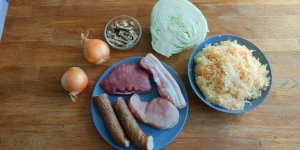
Substitutions for ingredients:
- Pork/Beef - Venison is the traditional "Hunter’s" choice if available; it adds a gamey depth that pairs perfectly with the fermented cabbage.
- Sauerkraut - If sauerkraut is unavailable, use fermented cabbage kimchi for a modern, spicy variation, though it will change the profile significantly.
- Beef Broth - Use a dark lager or porter instead of 250ml (1 cup) of broth to add malty, caramelized notes to the stew.
Preparation
1. Mushroom Hydration
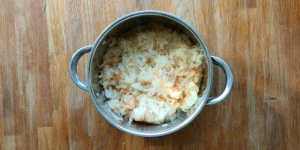
2. Cabbage Foundation
3. The Meat Sear
4. The Slow Marriage
Frequently Asked Questions (FAQ):
Is Bigos considered a soup or a main course?
Bigos is a substantial, thick stew served as a main course, typically accompanied by crusty rye bread.
Do I really need to use two types of cabbage?
While you can use only sauerkraut, the addition of fresh green cabbage provides a better texture and balances the intensity of the fermented flavors.
Can I cook Bigos in a slow cooker?
Yes, follow all searing steps in a pan first, then transfer everything to a slow cooker and cook on "Low" for 6-8 hours.