
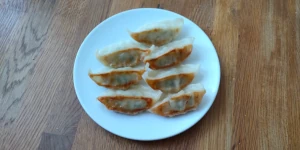
Buta Gyōza - Japanese pork dumplings
There is something in the world of Japanese cuisine that attracts not only gourmets, but also those who want to discover the culinary secrets of the Far East. Buta Gyōza, or pork dumplings, is one of those dishes that win hearts and palates all over the world.
The history of Gyōza dumplings
Gyōza dumplings, although today they are mainly associated with Japan, have their roots in Chinese cuisine. The famous Chinese dumplings, known as jiaozi, came to Japan in the 19th century, and with them came a fascination with the flavors and techniques of preparing this unique dish.
Initially, jiaozi were eaten steamed or boiled, but in Japan they began experimenting with various cooking methods. Today, Buta Gyōza is often pan-fried, which gives them a crispy crust while keeping the filling juicy.
Recipe information:
Ingredients
Steps
1. Step
2. Step
3. Step
4. Step
Frequently Asked Questions (FAQ):
How do you achieve the perfect crispy bottom on gyoza?
Use the classic fry-steam-fry method: first pan-fry the dumplings until the bottoms are golden, then add a small amount of water and cover to steam, and finally uncover to re-crisp the base. This technique creates a crispy bottom with a juicy filling.
Why is it important to squeeze moisture out of the cabbage?
Excess moisture in cabbage can make the filling watery and cause the wrappers to become soggy or burst during cooking. Removing liquid ensures a better texture and helps the dumplings hold their shape.
How do you prevent gyoza wrappers from drying out while assembling?
Keep the wrappers covered with a damp cloth or plastic wrap while working. This prevents them from drying and cracking, making them easier to fold and seal properly.
Can gyoza be frozen and cooked later?
Yes, gyoza freeze very well. Arrange them in a single layer, freeze until solid, and then store in a container. They can be cooked directly from frozen by adding a few extra minutes to the steaming step.
Why should gyoza not be overcrowded in the pan?
Leaving space between dumplings ensures even cooking and allows each one to develop a crispy base. Overcrowding traps steam and can result in uneven texture and sticking.