
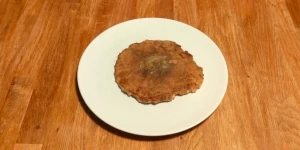
Kania smażona na maśle - Parasol mushroom fried in butter
In Poland, spring and autumn are often associated with heading out to the forest with a basket. You don't have to look far for flavors in nature: the parasol mushroom (Macrolepiota procera), commonly known as the "Kania", often graces the tables of Polish mushroom pickers. Mushroom picking in many homes is still a simple seasonal pleasure - classic and authentically Polish.
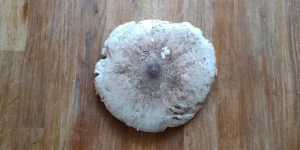
The common "Kania" is one of the most recognizable and beloved forest species. Its cap reaches up to 30-35 cm in diameter, and its stem can be up to 40 cm high - resembling a huge umbrella, hence the name "parasol mushrom". It is widespread in various regions of Poland. Its unique nutty aroma and slightly sweet taste have made this mushroom a favorite among plant-based cuisine enthusiasts.
This mushroom appears in Poland from July to the end of October, with the peak season occurring in August and September, especially after several days of rain. This is when the forest offers the most abundant harvest. Many mushroom pickers in the Podkarpacie, Masovia, and Greater Poland regions remember family trips to pick mushrooms as an end-of-summer ritual.
Mushroom picking in Poland is more than just a hobby. Research shows that over three-quarters of Poles have gone mushroom picking at least once in their lives, and almost half do so regularly. Although less frequently mentioned in literature than boletus or chanterelles, the mushroom has a permanent place on Polish tables.
The classic way to serve "Kania" is to quickly fry it in clarified butter until the cap acquires golden spots and the nutty notes become prominent. This dish, despite its simplicity, conceals a depth of meaning: the oily sweetness of the butter contrasts with the delicate flesh of the mushrooms, while the edges retain a pleasant crispness.
Why is it worth being careful?
Although common and frequently collected, parasol mushrom is sometimes confused with the death cap mushroom, whose various forms may appear similar to the untrained eye. They are characterized by a greenish coating and an unpleasant odor, contrasting with the pleasant aroma of the death cap, but nevertheless require caution and knowledge. The body of the parasol mushrom has a movable ring, and below it, it lacks a sheath. These characteristics require skill in evaluation. Therefore, knowledge of basic safety precautions has always been passed down within families as an important forest culture, not just a culinary one.
Recipe information:
Ingredients
Preparation
1. Step
2. Step
Frequently Asked Questions (FAQ):
How do you properly clean parasol mushrooms before frying?
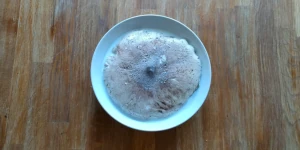
Avoid soaking them in water, as they absorb moisture easily. Instead, gently clean the caps with a brush or damp cloth to remove dirt while preserving their natural texture and flavor.
Why are only the caps of parasol mushrooms usually used for frying?
The caps are tender and flavorful, while the stems are often fibrous and tough. In most recipes, the stems are discarded or used separately for broths or seasoning.
How do you achieve a crispy texture when frying parasol mushrooms in butter?
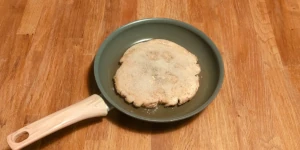
Make sure the butter is hot before adding the mushrooms and avoid overcrowding the pan. Frying in batches allows the caps to brown evenly and develop a golden, slightly crispy surface.
How can you enhance the flavor of fried parasol mushrooms?
Simple additions like salt, pepper, garlic, or a light coating of flour or egg batter can enhance the natural nutty flavor of the mushroom without overpowering it.
What safety precautions should be taken when preparing parasol mushrooms?
Only use mushrooms that have been correctly identified, as some lookalikes can be toxic. Parasol mushrooms are edible and popular, but proper identification is essential before cooking.