
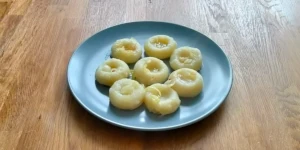
Authentic Silesian Dumplings (Kluski Śląskie)
When we think of the flavors that define Poland’s regional identity, Silesian dumplings hold a special place. It’s a dish that combines brilliant simplicity of preparation with the extraordinary comfort of eating. Although they consist of just a few ingredients, they have become an icon that has made its way from family tables in Upper and Lower Silesia to the best restaurants across the country.
Where do Silesian dumplings come from? History and legends
Silesian dumplings (known in the region as kluzki or klyjzy) are inextricably linked to the history of potato cultivation in Silesia, which became widespread in the 19th century. The potato became a staple of the local diet, and the creativity of local housewives allowed them to create dozens of different dishes from it.
One of the most colorful legends claims that Silesian dumplings saved Wrocław during the Mongol siege in 1241. According to the tale, the women of a village near Wrocław repelled the attack by throwing... hot dumplings at the invaders. In commemoration of this event, the "Noodle Gate" can still be admired in Wrocław today. Although this is only a legend (potatoes appeared in Europe much later), it underscores how deeply this dish is rooted in local culture.
Today, Silesian dumplings are listed on the Traditional Products List in both the Opole and Silesian provinces.
Gumiklyjzy, biołe, or kartofelmelklezy? Regional Terminology
Although the name "Silesian dumplings" is known throughout Poland, in Silesia itself we encounter a rich variety of terms, which often depend on the specific subregion:
- Gumiklyjzy / Gumione / Guminowe: These are the most characteristic terms, referring to their specific, "rubbery" and springy texture, which they owe to potato flour.
- Kluski biołe (white): Used to distinguish them from black (grated) dumplings, which are made from raw potatoes.
- Kartofelmelklezy: A name derived from a combination of German words meaning potatoes (Kartoffel), flour (Mehl), and dumplings (Klöße).
The Golden Ratio: The Secret to the Perfect Cake
Many amateur cooks wonder how to achieve that perfect, velvety texture. The traditional method used by Silesian housewives doesn’t require a kitchen scale. It’s known as the "four-part method":
- Boiled and mashed potatoes are spread evenly across the bottom of a bowl.
- Divide the mixture with a knife into four equal parts.
- One part is removed and placed on top of the remaining potatoes.
- Enough potato flour is poured into the empty space to perfectly fill the gap.
It is precisely this ratio of potatoes to flour (about 3:1 or 4:1) that ensures the dumplings will be springy but not hard.
What’s the point of that hole?
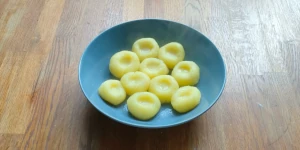
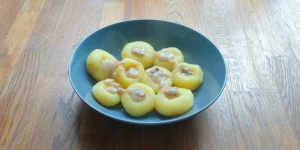
The distinctive indentation in the center of a Silesian dumpling isn’t just a decorative element. It serves a very important practical purpose-it collects the sauce. Silesian dumplings are traditionally served with a generous amount of gravy (most often accompanying beef roulade and red cabbage). Thanks to the "hole," every bite of the dumpling is perfectly infused with the flavor of the meat.
A modern approach: "Food Recycling"
These days, Silesian dumplings fit right into the zero-waste trend. We don’t have to boil potatoes specifically for this dish. It’s a perfect way to use up leftover mashed potatoes from the day before. This saves time and prevents food waste, resulting in a dish that tastes as if it were freshly made.
What to serve Silesian dumplings with?
Although the classic combination (meat roll, red cabbage, and dumplings) is sacrosanct, Silesian dumplings are incredibly versatile:
- Standing alone: Served with smoked bacon cracklings and browned onions.
- Vegetarian version: With mushroom sauce (made with chanterelles or porcini mushrooms).
- With goulash: As a hearty, one-pot dinner.
Silesian Noodles vs. Other Noodles:
A Comparison ChartMany people (especially those from outside the region) confuse Silesian noodles with kopytka or pyzy. Here are the main differences:
| Feature | Silesian Dumplings (Kluski Śląskie) | Kopytka | Potato Pyzy (Pyzy ziemniaczane) |
|---|---|---|---|
| Main Ingredient | Cooked potatoes | Cooked potatoes | Raw and cooked potatoes |
| Flour Type | Potato flour (starch) | Wheat flour | None (or a small amount of potato flour) |
| Texture | Elastic, "rubbery" / chewy | Soft, doughy | Dense, fibrous |
| Shape | Ball with a characteristic hole (indentation) | Rhombus / "Little hoof" shape | Large ball (often stuffed with meat) |
Silesian dumplings are proof that great cuisine doesn’t need expensive ingredients-it needs only passion, patience, and a touch of tradition encapsulated in a small, white ball with a hole.
Recipe information:
Ingredients
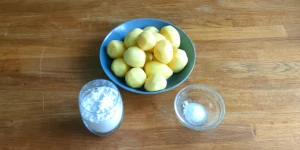
Steps
1. Boil and Mash the Potatoes
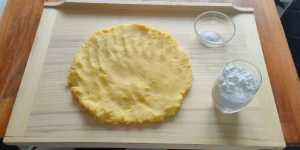
2. Prepare the Dough and Shape the Dumplings
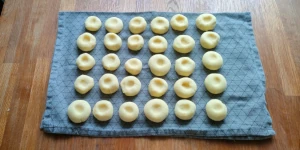
3. Cook the Dumplings
4. Serving Suggestions and Storage Tips
Frequently Asked Questions (FAQ):
What type of potatoes work best for kluski śląskie?
Starchy potatoes are essential for the right texture. They create a soft yet slightly elastic dough, while waxy potatoes can make the dumplings too dense and difficult to shape.
How do you get the perfect dough consistency for Silesian dumplings?
The dough should be soft, smooth, and not sticky. Add potato starch gradually-too much makes the dumplings rubbery, while too little can cause them to fall apart during cooking.
Why do kluski śląskie have a small indentation in the center?
The indentation helps the dumplings cook more evenly and allows them to hold sauces or gravy better, enhancing both texture and flavor when served.
How do you prevent kluski śląskie from sticking together after cooking?
After removing them from the water, toss the dumplings gently with butter or a bit of oil. This prevents sticking and keeps them soft and glossy.
Can kluski śląskie be reheated or reused the next day?
Yes, cooked dumplings can be stored in the refrigerator for a few days. They can be reheated by boiling briefly, steaming, or pan-frying for a slightly crispy texture.