
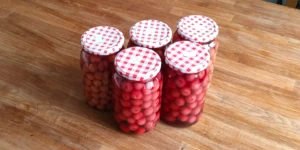
Kompot czereśniowy - Cherry Compote
What is Polish Cherry Kompot?
In Polish and Eastern European cuisine, "kompot" is a refreshing, homemade fruit beverage. It is often misunderstood by English speakers and should not be confused with Western fruit compote, which is typically a thick, jam-like dessert. Instead, the best way to describe Polish kompot is as a delicious, traditional "boiled fruit water."
Polish Sweet Cherry Kompot (Kompot czereśniowy) is made by gently boiling fresh sweet cherries with pure water and a touch of sugar to extract their vibrant flavor. It can be served immediately over ice as the ultimate summer refreshment, or pasteurized in jars to enjoy during the winter months.
It is a fantastic, much healthier alternative to store-bought juices and sodas. Made exclusively with natural ingredients, it is completely free from artificial colors and preservatives while retaining valuable vitamins from the fruit.
Various types of kompot have accompanied Polish families for generations. As local foodies often emphasize, "everyone knows kompot"-it is an essential addition to any traditional Polish dinner. Summer, when sweet cherries are fully ripened in the orchards, is the absolute perfect time to prepare a fresh batch of this classic drink.
History of Homemade Compote
The roots of homemade compotes date back to times when Polish homes lacked stores selling ready-made beverages. Compote has always played an important role in culinary tradition. Its roots date back to the times when it was one of the few ways to use seasonal fruits and preserve their flavor for longer. Both in the countryside, where farms were abundant in fruit trees, and in cities, housewives prepared compotes for preserves in jars. This way, they could enjoy the taste of summer even during the winter months.
During the communist era, compote became synonymous with a homemade beverage. Ready-made juices and sodas were rare. Various types of compotes were prepared for drinking in milk bars, schools, and homes. It was prepared in many ways - with apples, plums, cherries, or sweet cherries, with the addition of cinnamon or cloves. Dried fruit compote holds a special place in Polish holiday traditions. For Christmas Eve, a compote of plums, apples, and pears, enriched with spices, is prepared. For many Poles, compote remains a taste of childhood - it evokes the warmth of home cooking and concern for the health of loved ones. It is a simple and traditional drink that to this day unites generations around the family table.
The Art of Making Traditional Polish Kompot
Making traditional Polish kompot is incredibly simple and requires almost no active prep time. At its core, kompot is essentially a homemade fruit broth. The entire process comes down to combining fresh, high-quality fruit with pure water and a touch of sweetener, then bringing the mixture to a gentle boil.
Sweet Cherries vs. Sour Cherries: Getting the Sugar Right
When preparing this ultimate summer refreshment, the type of fruit you choose dictates your entire recipe. In Poland, they draw a strict culinary line between czereśnie (sweet cherries) and wiśnie (sour or tart cherries). Because fresh, seasonal sweet cherries boast an incredible natural sweetness, this recipe requires only a fraction of the added sugar you would typically use to balance the tartness of a sour cherry kompot. By keeping the sugar low and maintaining the right fruit-to-water ratio, you allow the delicate, authentic flavor of the fruit to truly shine.
To Pit or Not to Pit?
A common debate among traditional Polish home cooks is whether to use pitted cherries or leave the fruit unpitted. Traditionally, whole, unpitted cherries are preferred. As the fruit undergoes a gentle simmer, the stones release a beautiful, subtle almond-like flavor into the broth, elevating the entire drink. However, if you are serving this beverage to small children or prefer to eat the soft fruit effortlessly straight from the glass, taking the time to pit them beforehand is a great modern alternative.
Preserving the Taste of Summer
While this sweet cherry drink is phenomenal when served fresh over ice, it is also perfect for traditional canning. If you want to enjoy this homemade beverage during the colder months, simply transfer the boiling hot liquid and cooked fruit into sterilized mason jars. Once properly sealed and processed, these jars transform into wonderful winter pantry staples, allowing you to unscrew a jar and taste the Polish summer anytime you want.
Recipe information:
Ingredients for 6 one-liter jars

Preparation
1. Preparing the Fruit
2. Prep and wash the sweet cherries
3. Sterilize the mason jars and add sugar
4. Fill the jars with boiling water
5. Pasteurize using the water bath method
6. Cool and store for the winter
Frequently Asked Questions (FAQ):
How do you keep cherry compote clear and not cloudy?
Use fresh, firm cherries and avoid overcooking them. Adding a small amount of lemon juice helps stabilize color and clarity, while gentle heating instead of vigorous boiling keeps the liquid clear.
Should cherries be pitted before making compote?
Both options work. Leaving the pits gives a more traditional flavor and helps the fruit hold its shape, while pitting makes the compote easier to eat and serve.
How can you adjust the sweetness of cherry compote?
Start with a small amount of sugar and adjust to taste depending on how sweet or tart the cherries are. Some recipes suggest gradually increasing sweetness rather than adding too much at once.
How long can cherry compote be stored?
If properly pasteurized in jars, it can be stored for months in a cool, dark place. Once opened, it should be refrigerated and consumed within a few days for best quality.
What spices or additions enhance cherry compote flavor?
Common additions include cinnamon, cloves, or lemon zest. These ingredients complement the natural sweetness of cherries and add depth without overpowering the fruit.