
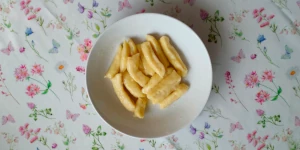
Kopytka - Polish potato noodles
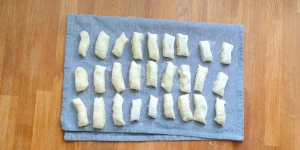
Kopytka is one of those traditional Polish dishes that, thanks to its simplicity and taste, gains supporters not only in Poland. These are actually potato dumplings in the shape of small rhombuses or triangles. In some regions of Poland, they take on a slightly oblong shape.
It all depends on the person who makes them. Sometimes it's easier and faster to make something more subtle. The word "Kopytka" itself literally means "small hooves", to which their shape refers. In my opinion, this is quite an accurate description.
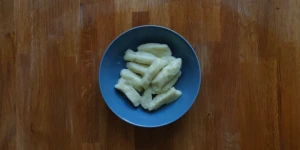
Kopytka can be served in various ways. They can be a separate dish to which you can add your favorite sauce. We can also coat them in breadcrumbs fried in butter.
We can also use this pasta as an addition to another main dish, e.g. instead of potatoes. Each way is good and has its own unique character and taste.
Potato noodles have a smooth and soft texture. Its taste largely depends on the additives added to the dough. Traditionally, the ingredient list is quite simple.
Nowadays, however, you can find different varieties that may contain, for example, spinach. So it's worth experimenting and finding your own taste.
How were "kopytka" created?
This dish has a very long tradition in Poland and probably no one knows exactly when it was created. One of their forms containing potato flour dates back to the 18th century, when it began to be produced. But, as we mentioned earlier, this is not the period of their creation, because the dish itself is much older.
The roots of this dish can be found in country cottages. Everything that was at hand was used. If there was anything left from the previous day, it was processed again. Nothing could be wasted. We're talking about previously cooked potatoes.
This simple recipe turned out to be a delicious and filling dish. Regardless of the method of serving or additions, this dish has its own unique character and taste.
How to prepare Kopytka?
Kopytka are made of potato dough with the addition of flour, eggs and salt. As I already mentioned, there are also versions that add potato flour. The resulting dough is thoroughly kneaded and rolled, and then cut into small pieces.
They are boiled in salted water and, after cooking, served with additions of your choice. Potato pasta is today one of the most popular dishes served on the family table in Poland.
Recipe information:
Ingredients
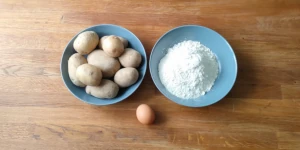
Steps
1. Step
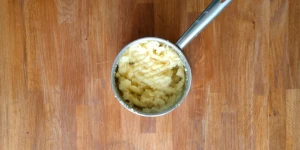
2. Step
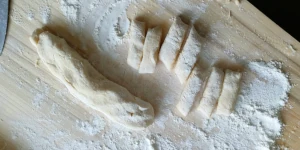
3. Step
4. Step
Frequently Asked Questions (FAQ):
What type of potatoes work best for soft and tender kopytka?
Floury, high-starch potatoes are recommended because they create a lighter dough that holds its shape well. Starchy potatoes also help achieve the soft yet slightly chewy texture typical for traditional kopytka.
Why can kopytka dough become sticky or too dense?
The consistency depends on the moisture level of the potatoes and the amount of flour used. Too much flour makes the dumplings heavy, while too little may cause sticking. The dough should be soft but easy to shape without excessive kneading.
How long should kopytka be cooked after they float to the surface?
Kopytka are usually ready about 2-4 minutes after floating to the top of the boiling water. Overcooking may cause them to become too soft, while proper timing keeps them tender and structured.
Can kopytka be pan-fried after boiling?
Yes, many recipes recommend lightly frying cooked dumplings in butter or oil to create a golden exterior. This method adds flavor and slightly crispy texture while keeping the inside soft.
Can kopytka dough be prepared in advance?
The dumplings can be shaped ahead of time and stored in the refrigerator for several hours or frozen for longer storage. Preparing them in advance makes it easier to cook fresh portions when needed.