
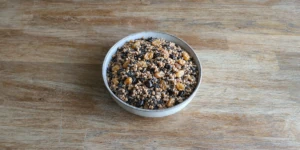
Kutia - Polish Traditional Christmas Dish
Kutia is a unique dish that has held a special place on the Polish Christmas table for centuries. It is known primarily in eastern regions such as Podlasie, the Lublin region, and the Carpathian region. In central and western Poland, it is less common and is mainly served in homes with roots in the eastern borderlands. For centuries, it was an important part of Christmas in these regions.
Its roots reach much further, through the rich mosaic of cultural and religious influences that have shaped Polish cuisine and folk culture for centuries. To explore the history of kutia, we must delve deeper into the history of holiday rituals. Its origins transcend Christian traditions. In fact, its origins date back to ancient pagan celebrations of the winter solstice. In those times, grains and honey were symbols of abundance and hope for the coming year. These are precisely the original meanings.
Over time, kutia was incorporated into Christian Christmas traditions and became a staple of Christmas Eve. Its presence on the Christmas menu is evidence of the deep culinary bond with Slavic culture and the religious symbolism of Christmas Eve.
The individual ingredients traditionally associated with the dish carry specific symbols:
- wheat, as a carrier of hope, rebirth, and continuity of life.
- poppy seeds, associated with prosperity, sleep, and peace of mind.
- honey, which promises the sweetness of life and divine blessing.
- nuts or dried fruit, which, introduced later, symbolize the abundance and wealth of the coming year.
Similar Dishes in Eastern Cuisine
In Poland, kutia appears primarily in the eastern regions - Podlasie, the Lublin region, Subcarpathia, and the former borderland cuisine - where holiday traditions traced deep Ruthenian and Orthodox influences. Here, it is associated with Christmas Eve and the symbolism of the supper.
In Ukraine, kutia (кутя) is one of the most important holiday dishes. Traditionally served first during the festive Christmas Eve supper (called *Svyata Vecherya*). It is present in many Ukrainian homes, especially around Christmas according to the Julian calendar (January 7th). It also appears during other holidays and family rituals.
In Belarus and Russia, kutia was historically known as "sochivo" - a dish of boiled grains often used in Orthodox traditions. Although in Russia the tradition itself has somewhat diminished following the era of political changes.
In Lithuania, a related dish and similar Christmas Eve customs are found, although often under a different name or with similar ingredients. This, however, signals the region's shared culinary roots.
The rituals associated with kutia can be as rich as the history of the dish itself. In the past, it was left on the Christmas Eve table so that the souls of the ancestors could "share" it. This gesture was meant to ensure protection and blessing for the entire family.
Today, kutia appears less frequently in many homes than it once did. However, for many families in Poland, its preparation and shared consumption constitute an enduring symbol of tradition and holiday identity. The memory of the ancient rituals and meanings of this dish makes kutia much more than just a dessert. It serves as a bridge connecting modern celebrations with ancient beliefs and memories of shared Christmas Eve celebrations.
Recipe information:
Ingredients
Preparation
1. Soak and cook the wheat
2. Prepare the poppy seeds
3. Prepare the dried fruits and nuts
4. Combine the ingredients
5. Let the kutia rest
Frequently Asked Questions (FAQ):
How far in advance should kutia be prepared for Christmas Eve?
Kutia is best prepared at least a few hours in advance, but ideally the night before serving. This resting time allows the wheat, poppy seeds, honey, and dried fruits to fully absorb flavors and develop a richer, more cohesive taste.
Do wheat berries need to be soaked before cooking kutia?
Yes, soaking wheat berries overnight significantly reduces cooking time and improves texture. It helps them cook evenly and become tender without splitting or turning mushy.
What is the best way to grind poppy seeds for kutia?
Traditionally, poppy seeds are ground using a special grinder or mortar. A modern alternative is a food processor or blender after soaking, which helps release their natural oils and creates a creamy consistency.
Can kutia be made without wheat berries?
Yes, some variations use barley, rice, or even millet as substitutes. However, wheat berries provide the most traditional texture and are considered the authentic base of the dish.
How long can kutia be stored after preparation?
Kutia can be stored in the refrigerator for up to 3-4 days in an airtight container. The flavors often intensify over time, but it should be kept chilled due to the honey and grain mixture.