
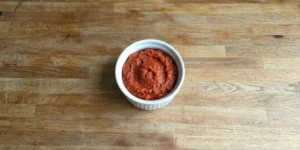
Lutenitsa (Лютеница) - Traditional Roasted Pepper Spread
What is Lutenitsa?
Lutenitsa (pronounced lyoo-teh-nee-tsah, and written as лютеница in Bulgarian) is a thick, savory Balkan vegetable spread made primarily from fire-roasted red peppers, sweet tomatoes, and eggplants. Rich, smoky, and slightly sweet with a hint of tang, this iconic relish is a cornerstone of Bulgarian cuisine, traditionally prepared in massive outdoor batches during the autumn harvest.
More Than a Condiment: A Bulgarian Autumn Ritual
To understand Bulgarian food is to understand the cultural weight of a jar of lutenitsa. While you can purchase mass-produced versions in every local supermarket across the Balkan peninsula, nothing compares to domashna (homemade) lutenitsa.
Every autumn, a beautiful seasonal tradition takes place across Bulgaria’s villages and urban courtyards. Families, friends, and neighbors gather to roast hundreds of pounds of red bell peppers (chushki) and eggplants over open wood fires using a traditional circular iron stove called a chushkopek. The vegetables are then painstakingly peeled, minced, and simmered down in large copper cauldrons. Stored in sterilized jars, this vibrant red paste acts as a literal taste of summer that sustains households through the cold winter months.
In daily life, lutenitsa is incredibly versatile. It is the ultimate comfort food when spread thickly over a slice of warm, rustic bread. It is traditionally paired with crumbled sirene (a brined Bulgarian white cheese similar to feta), served alongside grilled meats like kebapche and kyufte, or simply enjoyed as a standalone dip on a traditional meze platter.
The Culinary History of Balkan Vegetable Pastes
The evolution of lutenitsa is deeply intertwined with the agricultural history of the Balkan region. Interestingly, the defining ingredients of this dish-tomatoes and peppers-were non-existent in Southeastern Europe until they arrived via trade routes following the discovery of the Americas.
Once these crops thrived in the fertile Balkan soil, Ottoman-era preservation techniques took over. To prevent surplus crops from spoiling, home cooks developed slow-reduction methods to evaporate water content from the vegetables, concentrating their natural sugars and creating a shelf-stable paste. By the 19th and 20th centuries, lutenitsa had cemented its status as a national culinary symbol.
Lutenitsa vs. Ajvar vs. Pindjur: Understanding the Differences
Western food lovers often confuse the array of red vegetable spreads found across Eastern Europe. While they share a similar crimson hue, subtle regional variations define their unique flavor profiles:
- Lutenitsa (Bulgaria): Features a prominent tomato base cooked down with roasted red peppers, often supplemented with carrots or eggplants. The texture ranges from slightly chunky to finely minced, and it leans toward a sweeter flavor profile.
- Ajvar (Serbia / North Macedonia): Showcases roasted red peppers as the absolute star. It occasionally includes a small amount of roasted eggplant but rarely contains tomatoes. It is cooked to a incredibly silky, emulsified, and buttery consistency.
- Pindjur (Macedonia): A coarser, rustic summer relish featuring prominent chunks of roasted peppers, tomatoes, and a heavy dose of fresh garlic.
Recipe: Authentic Homemade Bulgarian Lutenitsa
The secret to a flawless lutenitsa lies in the slow reduction of the vegetables. Using plum tomatoes is highly recommended because they possess a denser flesh and significantly lower water content, saving you precious time at the stove.
Recipe information:
Ingredients
Step-by-Step Instructions
1. Fire-Roast the Vegetables
2. Steam and Peel
3. Process the Vegetable Base
4. Simmer and Reduce
5. The 'Spoon Trail' Test
Culinary Tip: The lutenitsa is perfectly done when you can draw your wooden spoon across the bottom of the pot and it leaves a clear trail that doesn't immediately fill back up with liquid.
6. Cool and Preserve
Frequently Asked Questions (FAQ):
How do you achieve a thick, spreadable consistency for Lutenitsa?
The ideal texture is achieved through slow evaporation over low heat. Constant stirring is non-negotiable during the final 20 minutes of cooking. This prevents the sugars from burning while helping the mixture reduce naturally into a dense, spreadable paste without requiring any artificial thickeners.
Can Lutenitsa be made less spicy or completely mild?
Absolutely. The name lutenitsa shares a root with the Bulgarian word for "spicy" (lyuto), but traditional home recipes actually range from mild and sweet to fiery. Simply adjust or completely omit the hot chili peppers to suit your personal palate; the sweetness of the roasted red bell peppers will still carry the dish.
What is the best way to store homemade Lutenitsa for winter use?
If you plan to consume it quickly, store the cooled spread in an airtight glass jar in the refrigerator for up to two weeks. For long-term winter storage, pour the hot lutenitsa into sterilized jars, seal the lids tightly, and boil the jars submerged in water for 15 minutes to vacuum-seal them safely.
Why is roasting vegetables important in Lutenitsa preparation?
Roasting does two crucial things: it caramelizes the natural sugars inherent in the red peppers and eggplants, creating a deep sweetness that boiling or sautéing cannot replicate, and it imparts a signature, nostalgic smoky undertone that defines authentic Balkan cuisine.
What dishes pair best with Lutenitsa as a spread or side?
Lutenitsa pairs brilliantly with grilled meats, acting as a natural BBQ sauce replacement. It is also exceptional alongside salty white cheeses, spread onto sandwiches, or served as a companion dip next to roasted root vegetables and crusty sourdough bread.