
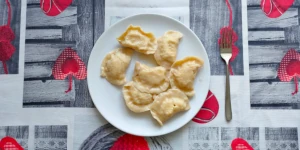
Pierogi Ruskie: Polish Potato and Cheese Dumplings
What are Pierogi Ruskie?
Pierogi ruskie are one of the best-known varieties of Polish pierogi. Their filling is made from boiled potatoes, twaróg - a fresh Polish curd cheese - fried onion, salt and plenty of black pepper. The filling is wrapped in thin wheat dough and the dumplings are boiled until tender.
The recipe is simple, but the proportions matter. The potatoes provide structure, while twaróg gives the filling its characteristic slightly sour dairy flavor. Fried onion adds sweetness and richness, and black pepper gives traditional pierogi ruskie much of their savory character.
Despite their name, pierogi ruskie are not Russian dumplings. The word ruskie refers historically to Ruś - Ruthenia - rather than modern Russia. The dish is associated with the culinary traditions of the former Polish-Ruthenian borderlands, particularly Galicia and areas that today lie in southeastern Poland and western Ukraine.
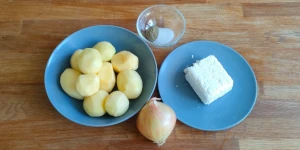
The Traditional Potato and Twaróg Filling
The classic filling contains boiled potatoes and twaróg. Outside Poland, twaróg is sometimes translated as cottage cheese, but the two products are not quite the same. Polish twaróg is a firm, fresh curd cheese with a mildly acidic flavor and relatively little moisture. Dry farmer's cheese is usually a better substitute than ordinary wet cottage cheese.
The potatoes should be floury rather than waxy. After boiling, drain them thoroughly and let excess steam escape before mashing. A wet potato mixture produces a loose filling that is difficult to seal inside the dough.
The onion is slowly fried in butter or oil until soft and lightly golden. Part goes into the filling, although you can prepare a little extra and spoon it over the cooked pierogi when serving.
Making Soft Pierogi Dough
Pierogi dough does not need yeast or baking powder. A basic dough of wheat flour, hot water, salt and a little oil produces a soft and flexible wrapper. The hot water partially hydrates the flour and makes the dough easier to roll.
After kneading, let the dough rest for about 30 minutes. This is important. Freshly kneaded dough tends to contract when rolled, while rested dough becomes noticeably more relaxed and easier to work with.
Keep any dough that you are not currently rolling covered with a clean cloth or bowl. Thin pierogi dough dries quickly, and dry edges become difficult to seal.
Shaping Pierogi Ruskie
Roll the dough thinly, approximately 2 mm thick, and cut circles about 7 to 8 cm in diameter. Place a portion of filling in the center, fold the circle in half and press the edges together firmly.
A good pieróg should contain plenty of filling without being so full that the seam is difficult to close. Keep the edge of the dough clean. Potato or cheese caught in the seam can cause the pierogi to open while boiling.
How to Cook Pierogi
Cook pierogi in batches in a large pot of salted water. The water should boil gently rather than violently. Stir carefully after adding the dumplings so they do not stick to the bottom.
When the pierogi rise to the surface, continue cooking for approximately 2 to 3 minutes. The exact time depends on the thickness of the dough. Remove them with a slotted spoon and serve immediately.
How to Serve Pierogi Ruskie
One of the simplest ways to serve pierogi ruskie is with fried onion and melted butter. Sour cream is another common accompaniment. Non-vegetarian versions can be topped with crispy pork cracklings or fried bacon.
Leftover boiled pierogi are especially good the following day. Fry them in a little butter or oil until the dough develops a golden, crisp surface while the potato and cheese filling becomes hot and soft again.
Expert tips:
Use Twaróg, Not Wet Cottage Cheese
Traditional pierogi ruskie use twaróg, a firm Polish curd cheese. Dry farmer's cheese is a good substitute. Ordinary cottage cheese contains much more moisture and should be thoroughly drained before use.
Dry the Potatoes
Drain cooked potatoes thoroughly and allow steam to escape before mashing. Excess water makes the filling loose and harder to seal inside the dough.
Be Generous with Black Pepper
Freshly ground black pepper is an important part of the traditional filling. The potato and mild twaróg can handle more pepper than you might initially expect.
Let the Dough Rest
Do not skip the 30-minute rest. Freshly kneaded dough contracts when rolled. Resting relaxes the gluten and makes shaping the pierogi considerably easier.
Keep the Edges Clean
Filling caught between the edges prevents the dough from sealing properly. Leave a clean border around the filling before folding each pieróg.
Storage:
How to store
Cool cooked pierogi and place them in an airtight container in the refrigerator. Toss them with a small amount of butter or oil to prevent them from sticking together.
Shelf life
Cooked pierogi are best eaten within 2 to 3 days. Reheat them in a frying pan with butter or oil until hot and lightly golden.
Freezing instructions
Arrange uncooked pierogi in a single layer on a floured or parchment-lined tray and freeze until solid. Transfer them to a freezer bag or container. Cook directly from frozen without thawing, allowing a little extra cooking time.
Recipe information:
Potato and Cheese Filling
Pierogi Dough
For Serving
Substitutions for ingredients:
- Polish Twaróg - Use dry farmer's cheese or another fresh, slightly acidic curd cheese. If cottage cheese is your only option, drain it thoroughly and break up the curds before mixing.
- Butter - Use rapeseed, sunflower or another neutral cooking oil for frying the onion and serving the pierogi.
- Floury Potatoes - Use another high-starch potato suitable for mashing. Avoid waxy salad potatoes because they produce a dense and sometimes gluey filling.
Prepare the Filling
1. Cook the Potatoes
2. Fry the Onion
3. Prepare the Twaróg
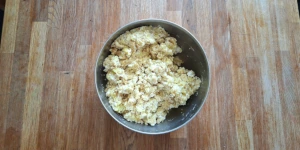
4. Mix the Filling
Prepare the Pierogi Dough
1. Combine the Ingredients
2. Knead the Dough
3. Rest the Dough
Shape the Pierogi
1. Roll the Dough
2. Cut the Circles
3. Fill the Pierogi
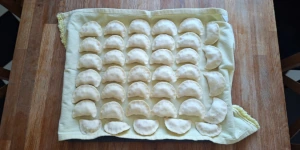
4. Seal the Pierogi
Cook and Serve
1. Boil the Pierogi
2. Drain
3. Serve
Frequently Asked Questions (FAQ):
Are pierogi ruskie Russian?
No. The name refers to historical Ruś, or Ruthenia, rather than modern Russia. Pierogi ruskie belong to the culinary tradition of the former Polish-Ruthenian borderlands and became an established part of Polish cuisine.
What is the traditional filling for pierogi ruskie?
The classic filling combines boiled potatoes, twaróg curd cheese, fried onion, salt and black pepper.
Can I use cottage cheese instead of twaróg?
You can, but ordinary cottage cheese is wetter and has a different texture. Dry farmer's cheese is a closer substitute. If using cottage cheese, drain it thoroughly before adding it to the potatoes.
Do traditional pierogi ruskie contain meat?
No. The potato, twaróg and onion filling is vegetarian. Pork cracklings or bacon may be added as a topping, but they are not part of the filling.
Why do my pierogi fall apart while boiling?
This usually happens when the edges are not sealed properly, filling is trapped in the seam, the dough has dried out, or the pierogi are overfilled.
Can pierogi ruskie be fried?
Yes. They are normally boiled first, and leftover cooked pierogi are often fried in butter or oil until golden and crisp on the outside.
Can I freeze pierogi ruskie?
Yes. Freeze shaped, uncooked pierogi separately on a tray before transferring them to a container or freezer bag. They can then be cooked directly from frozen.
What should I serve with pierogi ruskie?
Fried onion and melted butter are simple traditional accompaniments. Sour cream is also commonly served, while pork cracklings or bacon can be added for a non-vegetarian version.