
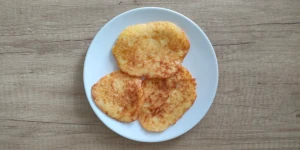
Placki ziemniaczane - Traditional Polish Potato Pancakes
Traditional Polish Placki Ziemniaczane
Placki ziemniaczane are traditional Polish potato pancakes made from raw grated potatoes, onion, egg and a small amount of flour. The mixture is fried in hot oil until the outside becomes crisp and golden while the inside remains soft and moist.
They are one of the familiar potato dishes of Polish home cooking. The basic mixture is inexpensive and simple, but the result depends heavily on the potatoes, the amount of liquid removed from them and the temperature of the frying fat.
The history of potato pancakes in Poland
Potatoes were not part of old Polish cuisine. They reached Europe from South America and gradually became established on Polish lands during the eighteenth and nineteenth centuries. By the nineteenth century they had become an important part of everyday food, particularly among rural communities.
The spread of potatoes led to a large number of inexpensive dishes made from the tubers, including pancakes, dumplings, baked dishes and potato breads. Polish cookbooks and regional food traditions later recorded many different forms of potato pancakes.
Regional names also show how widespread the dish became. In Greater Poland, potato pancakes are known as plendze or plyndze. Historical descriptions from the nineteenth century also document potato pancakes as part of everyday rural meals.
Raw potatoes are the base
Traditional placki ziemniaczane are made from raw potatoes rather than cooked mashed potatoes. The potatoes are finely grated and mixed with onion, egg, salt and a small amount of flour.
The grated potatoes release a considerable amount of liquid. Removing some of this liquid is important because excess water makes the batter thin and can prevent the pancakes from becoming properly crisp. The natural potato starch that settles at the bottom of the liquid should be kept and mixed back into the potato mixture.
Choosing the potatoes
Starchy potatoes are particularly suitable for potato pancakes. They contain enough starch to help the mixture hold together and produce a crisp surface during frying.
Older, well-stored potatoes are often easier to use than very young potatoes because they tend to contain less excess water. However, the variety matters more than simply whether the potatoes are old or new.
Potatoes should be grated finely for the classic texture. A finer grate produces a more cohesive pancake, while a slightly coarser grate gives a more pronounced potato texture.
Preparing the potato mixture
The grated potatoes can be mixed with finely grated or chopped onion. Onion adds flavour and also helps prevent the grated potatoes from darkening too quickly.
After grating, the potatoes should be allowed to release some liquid before the mixture is combined with the egg and flour. The amount of flour should remain modest. Too much flour makes the pancakes heavy and masks the flavour of the potato.
The batter should be mixed shortly before frying. Raw grated potatoes continue to release liquid while they stand, so the mixture may need to be stirred again during cooking.
Frying the pancakes
Placki ziemniaczane are traditionally fried in a layer of hot fat. Vegetable oil is convenient for home cooking, although other cooking fats can also be used in regional or family versions.
Small portions of batter are placed into the hot pan and spread into relatively thin rounds. Thin pancakes develop more crisp edges and cook more evenly than thick ones.
The pancakes should be fried on both sides until deeply golden and crisp. If the oil is not hot enough, they absorb too much fat and become soft. If it is excessively hot, the outside can brown before the potato in the centre has cooked.
How placki ziemniaczane are served
Polish potato pancakes can be served in both sweet and savoury ways. Sour cream is a familiar accompaniment, while sugar is also a documented traditional way of serving them.
Savoury versions can be served with goulash, meat sauces, mushrooms or pickled vegetables. The combination of crisp potato pancakes with a rich sauce is particularly common in Polish home cooking.
There is no single topping that defines the dish. The same basic pancake can be served as a simple meatless meal or used as a base for a more substantial savoury dish.
Regional variations
Potato pancakes occur in many Polish regional cuisines and under different names. The Greater Polish plendze are one example. Similar potato pancakes are also found throughout Central and Eastern Europe, although the ingredients, texture and traditional toppings vary from one region to another.
Some Polish versions contain only potatoes, onion, egg, flour and seasoning. Others use different proportions or additional ingredients. Sweet and savoury preparations have both been part of Polish cooking for many years.
What makes good placki ziemniaczane
The most important points are simple: use suitable potatoes, remove excess liquid, keep enough of the natural potato starch and fry the pancakes in properly heated fat.
The finished pancakes should be crisp at the edges and on the surface, with a tender potato centre. They are best served soon after frying while the crust is still crisp.
Expert tips:
Use starchy potatoes
Starchy potatoes are particularly suitable because their natural starch helps the pancakes hold together and become crisp during frying.
Keep the potato starch
When draining the grated potatoes, allow the liquid to settle and return the starch from the bottom of the bowl to the potato mixture. This improves the structure without requiring a large amount of flour.
Do not add too much flour
A small amount of flour is enough to bind the mixture. Excess flour can make the pancakes dense and reduce their characteristic potato texture.
Fry in properly heated oil
If the oil is too cool, the pancakes absorb more fat and become soft. If it is too hot, the outside can burn before the centre is cooked.
Keep the pancakes thin
Thin pancakes cook more evenly and develop a crisp surface. Very thick pancakes can remain wet in the centre.
Fry in batches
Do not overcrowd the pan. Too many pancakes at once lower the temperature of the oil and make it harder to achieve a crisp crust.
Storage:
How to store cooked pancakes
Allow the pancakes to cool and refrigerate them in a covered container. For the best texture, use them within 2 days.
How to reheat
Reheat the pancakes in a dry frying pan or oven until hot and crisp again. A microwave is convenient but will make the crust softer.
Freezing
Cooked potato pancakes can be frozen. Cool them completely, separate them with baking paper and place them in a suitable freezer container. Reheat them directly from frozen in an oven or frying pan until hot and crisp.
Raw potato mixture
The raw mixture is best fried immediately. It releases liquid and changes colour during storage, so keeping the prepared batter for several days is not recommended.
Recipe information:
Potato Pancakes
Substitutions for ingredients:
- Wheat flour - For a gluten-free version, use a suitable gluten-free flour or potato starch. The texture will differ slightly from the wheat-flour version.
- Vegetable oil - Other neutral frying fats can be used according to regional or family preference. The important point is that the fat should tolerate frying temperatures.
- Yellow onion - A white onion can be used. The flavour will remain close to the traditional version.
Prepare the potatoes
1. Peel and grate the potatoes
2. Add the onion
3. Drain the liquid
4. Return the starch
Make the batter
1. Add the egg and flour
2. Check the consistency
Fry the pancakes
1. Heat the oil
2. Form the pancakes
3. Fry until golden
4. Drain
Serve
1. Serve immediately
2. Serve with savoury toppings
Frequently Asked Questions (FAQ):
What are placki ziemniaczane?
Placki ziemniaczane are Polish potato pancakes made from raw grated potatoes, usually with onion, egg, flour and seasoning. They are fried until crisp and golden.
What potatoes are best for placki ziemniaczane?
Starchy potatoes are particularly suitable because their natural starch helps the pancakes hold together and become crisp. Potatoes with a higher starch content are generally preferable to waxy varieties.
Should potatoes for placki ziemniaczane be squeezed?
Yes. Removing some of the excess liquid helps produce a thicker mixture and a crispier pancake. The starch that settles from the liquid should be returned to the potatoes.
Why do potato pancakes fall apart?
The mixture may contain too much liquid, or the potatoes may not contain enough starch. Drain the potatoes thoroughly and return the natural potato starch to the mixture.
Can placki ziemniaczane be made without flour?
Yes. Some versions can be made with little or no added flour when the potatoes are sufficiently starchy. The natural potato starch helps bind the mixture.
How are Polish potato pancakes traditionally served?
They can be served with sour cream, sugar or savoury toppings. Goulash, meat sauces, mushrooms and pickled vegetables are among the possible accompaniments.
Are Polish potato pancakes served sweet or savoury?
Both versions exist. Savoury pancakes with onion are very common, but historical Polish recipes also document pancakes served with sugar.
What are plendze or plyndze?
Plendze or plyndze are regional names for potato pancakes, particularly associated with Greater Poland and neighbouring areas.
Can potato pancakes be frozen?
Yes. Cooked pancakes can be cooled, frozen with sheets of baking paper between them and reheated in an oven or frying pan until hot and crisp.
Can raw potato batter be stored overnight?
It is better to fry the batter immediately. Raw grated potatoes release liquid and darken during storage, which can negatively affect the texture and colour of the pancakes.