
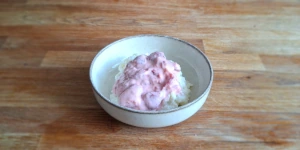
Rice with Strawberries (Ryż z Truskawkami)
Ryż z truskawkami (Polish rice with strawberries) is a quintessential summer classic that perfectly demonstrates the beauty of minimalist home cooking. This dish relies on thermal and textural contrasts: warm, rich, slightly salty vanilla rice acts as the base for a cool, bright, and intensely sweet-tart strawberry sauce. To achieve the perfect balance, mastering the rice starch gelatinization and selecting the right dairy fat content is crucial. This recipe provides a refined, technically sound approach to a traditional Polish home favorite.
What is Ryż z truskawkami & Its Origins
Historically, Ryż z truskawkami belongs to a unique category of Polish cuisine known as "obiad na słodko" (sweet dinner or lunch). In Poland, sweet dishes featuring seasonal fruits, grains, or pasta are commonly served as main courses, particularly during the hot summer months when heavy meat dishes are less appealing. The dish grew in massive popularity during the mid-to-late 20th century. Strawberries thrive in Poland's temperate climate, and during the peak harvest season in June and July, home cooks sought simple, budget-friendly ways to showcase the abundant crop. Using staple kitchen ingredients - rice, milk, sugar, and cream - this dish became a beloved household and school cafeteria staple across the nation.
What Does It Taste Like?
Every spoonful offers a complex interplay of flavors and temperatures. The rice, cooked gently in milk with vanilla, provides a warm, creamy, and mildly sweet canvas with a subtle hint of salt to ground the flavor. The strawberry topping is vibrant, fresh, and highly aromatic, offering a bright acidity that cuts through the starch. Finally, a dollop of cold sour cream (śmietana) adds a rich, lactic tang and velvety mouthfeel, bridging the gap between the hot rice and cold fruit.
Popular Variations
While the classic milk-boiled rice is standard, several variations exist across Polish households:
- Baked Version (Ryż zapiekany): The rice is layered with strawberries in a baking dish, dotted with butter, and baked at 350°F (175°C) until a light golden crust forms on top.
- Pasta Alternative (Makaron z truskawkami): When rice is unavailable or a quicker meal is desired, wide egg noodles or penne pasta are used in its place.
- Spiced Variation: A pinch of ground cinnamon or cardamom is added to the cooking milk to introduce warm, warming undertones.
What To Serve With Ryż z truskawkami
As a traditional main course, Ryż z truskawkami stands perfectly on its own. However, to complete a classic Polish summer menu, it is often paired with:
- Kompot: A refreshing, home-brewed sweet fruit beverage made from boiled seasonal berries or stone fruits, served chilled.
- Fresh Mint: A garnish of bruised fresh mint leaves to enhance the herbaceous qualities of the fresh strawberries.
Expert tips:
Select Medium-Grain Rice
For the ultimate texture, choose medium-grain rice (like Calrose or Arborio). Long-grain varieties like Jasmine or Basmati remain too distinct and dry, while short-grain sushi rice can become overly sticky. Medium-grain offers the perfect level of starch release to create a naturally creamy porridge-like texture.
Prevent Milk Scorching
Milk contains proteins and sugars (lactose) that easily burn when exposed to direct heat. Always use a heavy-bottomed, multi-clad saucepan to distribute heat evenly, and keep the cooking temperature at a low simmer.
Emphasize Starching and Steaming
Allowing the cooked rice to rest off-heat with the lid on for 5-10 minutes is essential. This allows the moisture to redistribute evenly throughout the grain, ensuring a tender bite without any hard centers.
Honor the Thermal Contrast
The magic of this dish relies on the juxtaposition of hot rice and cold toppings. Ensure your strawberry sauce and sour cream are kept refrigerated until the very moment of assembly.
Storage:
How to store
Store the cooked rice and the strawberry sauce in separate airtight containers in the refrigerator. Storing them together will cause the rice to absorb the strawberry liquid, resulting in a soggy, unappealing purple mush.
Shelf life
The cooked rice will keep well in the refrigerator for up to 3-4 days. The fresh strawberry sauce should be consumed within 48 hours, as the uncooked fruit will continue to release water and eventually begin to ferment.
Freezing instructions
It is not recommended to freeze the cooked rice, as freezing alters the starch structure, making it dry and crumbly upon thawing. The strawberry sauce can be frozen for up to 3 months, though it will lose its fresh, rustic texture and should be cooked down slightly before use.
Recipe information:
The Rice Base

The Strawberry Topping & Garnish
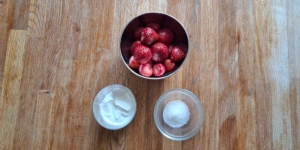
Substitutions for ingredients:
- Whole Milk - You can substitute whole milk with unsweetened oat milk or coconut milk for a dairy-free alternative. Avoid almond milk, as it lacks the body and fat content required for a creamy texture.
- Sour Cream (Śmietana) - If Polish-style sour cream is unavailable, use Crème fraîche or full-fat Greek yogurt. For a sweeter, dessert-oriented profile, whipped heavy cream can be used.
- Granulated Sugar - Replace with maple syrup, honey, or a sugar alternative like erythritol at a 1:1 ratio. Keep in mind that liquid sweeteners will slightly increase the moisture of the strawberry sauce.
Preparation
1. Rinse the Rice
2. Cook the Rice
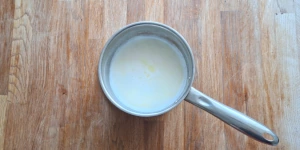
3. Simmer and Steam
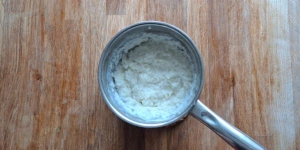
4. Prepare the Strawberry Sauce
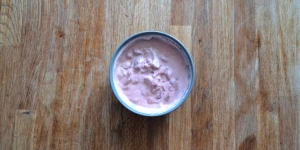
5. Assemble and Serve
Frequently Asked Questions (FAQ):
Can I use frozen strawberries for this recipe?
Yes, frozen strawberries work well. Thaw them completely in a colander to drain excess water, then mash them with sugar as you would fresh berries. You may need to add a touch more sugar, as frozen berries can be slightly more acidic.
Is Ryż z truskawkami served hot or cold?
It is traditionally served with warm rice and cold toppings, creating a pleasant contrast. However, during particularly hot summer days, some prefer to chill the cooked rice completely in the fridge before serving it cold.
Why is my rice sticky and clumpy?
This is usually caused by omitting the rinsing step, which leaves excess surface starch on the grains. Additionally, stirring the rice too vigorously while it simmers can rupture the grains and release more starch, resulting in a sticky texture.
Is this dish suitable for a gluten-free diet?
Yes, this recipe is naturally 100% gluten-free, as both rice and strawberries are completely free of gluten. Always check your vanilla extract or sugar labels to ensure no cross-contamination.