
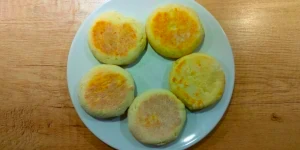
Polish Soda Bread (Proziaki) Recipe
Key takeaway
- Proziaki is a traditional Polish soda bread made with flour, baking soda, and a cultured dairy product like kefir, buttermilk, or sour cream.
- It is quick to prepare and authentically cooked on a dry pan, not baked.
- You can make authentic proziaki at home in just 20 minutes
- Proziaki are come from the south-eastern part of Poland.
- Proziaki can be made sweet or savory. We can then serve them with various additions.
- Proziaki was created in the 19th century to fill the need for bread.
What is Polish Soda Bread (Proziaki)?
Proziaki is a very easy to prepare soda bread. It does not take much time to make and the result may pleasantly surprise us. This traditional bread is becoming more and more popular, not only in Poland. Bread from the south-eastern regions of the country delights with its taste and simplicity.
Proziaki are sometimes called soda cookies (in the past, in Poland, baking soda was called prose). But, these are not cookies. Although most of them have a round or oval shape. There are also square and even rectangular versions. Maybe that's where the association comes from.
I once came across the term that it is a soda flatbread. Although they are baked similarly to flatbreads, this name is not entirely accurate. Yet, I don't think anyone will be offended by this.
Proziaki can be adjusted depending on our taste or form of administration. They can be prepared in two versions:
| Types: | Proportions of ingredients (salt/sugar) | Serve with: |
|---|---|---|
| Sweet | ½ teaspoon of salt 1 teaspoon of sugar | jam, seasonal fruit, spreads e.g. chocolate, sweet additions |
| Salty | 1 teaspoon of salt ½ teaspoon of sugar | rosemary butter, garlic sauce, pickled cucumbers, sour additives |
How were proziaki created?
In the old days, bread in rural houses was baked only once or twice a week. This was largely due to the fact that we had to make a leaven that had to stand for several days. When the bread began to run out, flatbreads took over.
In the 19th century, with the advent of baking soda, it was added to dough. Proziaki was created as a natural development of flatbreads. The baking soda made the dough larger and thus more breads could be made. This allowed more household members to be fed with fewer ingredients.
Over time, proziaki became more and more common and popular. The recipe was passed down orally, so there are no records about it. The regulations in different regions did not differ much from each other. Hence, the main difference is their shape, thickness or local name.
How to make Authentic Proziaki at Home
To make them, all you need are a few cheap and easily available ingredients, such as flour, kefir, soda, salt and sugar. Instead of kefir, you can also find a version containing buttermilk. Whichever option you choose, you'll definitely like it. In ancient times, they were baked on a tiled stove with a metal plate. Today, all you need is a good frying pan with a non-stick coating.
Some people choose to bake proziaki on a baking tray in the oven. But I recommend the pans because they are closest to the original. But, we must remember not to use oil, olive oil, butter or anything else for frying. Original proziaki are not baked or fried; they are only heated. Don't be afraid that the dough will be sticky. The consistency of this dough makes this impossible.
As I mentioned earlier, these soda breads can come in various shapes. So, they can be shaped freely. In my opinion, the best and fastest way to cut them is with a glass or a round cutter.
I hope this recipe will inspire you to try soda bread at home. With a little practice and experimentation, you will be able to create delicious and unique proziaki. Remember that you can spice up this recipe by creating your own variations.
Expert tips:
Control the heat to avoid raw center
Always cook proziaki over low to medium-low heat. If your pan is too hot, the soda breads will brown too quickly on the outside while remaining raw and doughy in the middle.
Do not over-knead the dough
Knead the dough just until the ingredients combine and form a smooth ball. Over-kneading develops too much gluten, which makes the traditional Polish soda bread tough and dense instead of soft and fluffy.
Let the dough rest for the perfect rise
Do not skip the 10-minute resting period after cutting your proziaki. This allows the baking soda to react with the acid in the kefir or buttermilk, ensuring your bread puffs up beautifully on the pan.
Use a heavy-bottomed, dry pan
For the most authentic taste and texture, cook proziaki on a completely dry cast-iron or heavy-bottomed non-stick frying pan. Do not add any oil, butter, or cooking spray.
Recipe information:
Ingredients
Substitutions for ingredients:
- Kefir or Buttermilk - Sour cream (Śmietana) mixed with a splash of milk, or plain yogurt.
- Baking Soda - Baking powder (use 3 times the amount of baking soda, though baking soda is preferred for the traditional taste).
- Wheat Flour - Spelt flour or a gluten-free flour blend (note: gluten-free version will be less elastic and more crumbly).
- Egg - Omit the egg entirely and add 1 extra tablespoon of kefir, buttermilk, or sour cream to maintain proper moisture.
Steps
1. Combine the dry and wet ingredients
2. Mix to form a rough dough
3. Knead the dough gently
4. Roll out the dough
5. Cut into shapes and let it rest
6. Cook authentically on a dry frying pan
Frequently Asked Questions (FAQ):
Can Proziaki dough be prepared without buttermilk or kefir?
Yes, Proziaki can be made using natural yogurt or milk mixed with a small amount of lemon juice or vinegar to replicate the acidity needed to activate baking soda. The slightly sour liquid helps create a soft and tender texture typical for traditional soda breads.
Can I make Proziaki with Sour Cream?
Yes! While this traditional recipe uses kefir or buttermilk, making proziaki with sour cream is a very popular variation. Simply substitute the 200 ml of kefir with an equal amount of sour cream. If the dough feels too thick, add a splash of milk.
Why are my Proziaki not soft and fluffy?
Dense Proziaki are often caused by over-kneading or using too little acidic dairy. Mix the dough only until combined and cook on medium heat so the baking soda reacts properly, creating a light structure inside the bread.
Can Proziaki be cooked in a frying pan instead of baked?
Yes, authentic Proziaki are traditionally cooked on a dry pan, griddle, or hot surface rather than baked in an oven. This method creates characteristic golden spots and a slightly crisp exterior while keeping the inside soft.
What toppings work best with Proziaki?
Proziaki are very versatile and can be served sweet or savory. Popular options include butter, cheese, sour cream, honey, jam, or garlic butter. They also pair well with soups and stews as a quick bread alternative.
Can Proziaki be frozen and reheated later?
Yes, Proziaki freeze well after cooling completely. Store them in an airtight container and reheat in a dry pan or oven to restore their soft texture. This makes them a convenient make-ahead bread option.