
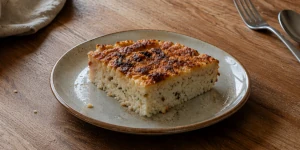
Klin: Rhodope Rice and Cheese Pie
The High-Altitude Comfort of the Rhodope Mountains
High up in the pine-scented peaks of southern Bulgaria, the Rhodope Mountains harbor some of Europe's most rustic and soulful culinary secrets. Here, where winters are long and resources were historically scarce, cooking evolved into an art of simplicity. Enter the klin-a robust, golden-crusted rice and cheese pie that is the ultimate testament to mountain hospitality. Unlike its famous cousin, the banitsa, a true Rhodope klin introduces tender boiled rice to the egg and cheese mixture, transforming the interior into a custardy, incredibly satisfying filling that kept shepherds fueled for days.
Crisp Phyllo Meets Velvet Rice: The Texture Play
The genius of a well-executed klin lies entirely in its contrasts. The exterior is made of whisper-thin pastry sheets, laminated with generous brushes of melted butter until they turn deep amber and shatteringly crisp. Inside, however, is a revelation of texture: the cooked grains of rice act as tiny sponges, absorbing the rich, savory fats of the melted butter and the sharp, tangy brine of the Bulgarian sirene (white brine cheese). Every bite delivers a dual sensory experience-the noisy, satisfying crunch of the top crust giving way to a warm, velvety, and gently set center.
The Secret to Flipping a Perfect Bulgarian Klin
Traditionally, a mountain cook wouldn't use a modern oven. Instead, they baked the klin on a sach-a large, heavy clay or cast-iron griddle placed directly over hot embers. To cook both sides evenly, they mastered the art of the flip. To replicate this dramatic, flavor-enhancing technique at home, cook your klin in a heavy-bottomed cast-iron skillet on the stovetop over low heat. Once the bottom is crisp, slide the pie onto a flat wooden board or a large, flat lid. Invert the skillet over the raw top of the pie, flip the entire assembly in one swift motion, and slide the pie back in with an extra pat of butter to finish.
How to Serve It Like a Rhodope Local
A freshly baked klin is best enjoyed while still warm, when the melted butter is at its most fragrant. In Bulgaria, this pie is traditionally washed down with a tall, cold glass of ayran-a refreshing whisked drink of yogurt, water, and a pinch of salt that cuts beautifully through the rich, buttery pastry. For a sweet-and-savory contrast that locals adore, drizzle a warm slice with a spoonful of wild mountain honey or pair it with a dollop of thick, tart sheep's milk yogurt.
Expert tips:
The Starch Secret
Always opt for short-grain or medium-grain rice (like Arborio or Calrose). Their higher starch content acts as a natural binder, holding the creamy filling together without requiring flour or starches.
No-Skimp Butter Rule
Do not compromise on the butter quality or amount. The fat is what prevents the phyllo from becoming soggy from the damp rice filling, essentially frying the thin sheets into crisp layers from the inside out.
Managing Salt Levels
Bulgarian sirene can range from mildly salty to intensely briny. Always taste a small crumb of your cheese first. If it is extremely salty, soak the block in cold water for 10 minutes and omit the extra salt from the rice cooking process.
The Damp Towel Trick
Phyllo dough dries out and cracks in minutes. While assembling your klin, keep the unused sheets covered with a clean, slightly damp kitchen towel to maintain their elasticity.
Storage:
How to store
Allow the klin to cool completely to room temperature. Wrap it tightly in aluminum foil or store individual slices in an airtight container placed in the refrigerator.
Shelf life
The pie will keep beautifully in the refrigerator for up to 3 days. To restore the signature crispness of the phyllo crust, reheat slices in a dry skillet over medium-low heat or in a 350°F (175°C) oven for 8 to 10 minutes. Avoid microwaving, which turns the pastry rubbery.
Freezing instructions
Assemble the klin fully in an oven-safe foil pan but do not bake it. Wrap the unbaked pie tightly in plastic wrap, followed by a layer of heavy-duty aluminum foil. Freeze for up to 3 months. Bake straight from frozen at 375°F (190°C), adding an extra 15 minutes to the baking time.
Recipe information:
Klin Ingredients
Substitutions for ingredients:
- Bulgarian Sirene - High-quality Greek sheep's milk feta is the closest match. Avoid cow's milk feta, as it lacks the robust, tangy depth required for this dish.
- Phyllo Dough - If thin phyllo is unavailable, you can use traditional Greek country-style phyllo (which is slightly thicker) or roll out your own simple flour-and-water pastry sheets (kori).
- Unsalted Butter - Ghee (clarified butter) works exceptionally well and offers a higher smoke point, preventing any bitter burnt notes on the bottom crust.
Preparation
1. Cook the Rice Base
2. Mix the Rich Filling
3. Layer the Bottom Crust
4. Fill and Seal the Pie
5. Bake to Golden Crispness
6. Rest and Slice
Frequently Asked Questions (FAQ):
How does Klin differ from traditional Banitsa?
While both pies use phyllo dough and sirene cheese, Banitsa contains only eggs and cheese layered between pastry. Klin introduces cooked white rice into the filling, resulting in a denser, creamier, and more comforting texture characteristic of the Rhodope Mountains.
Can I use brown rice for this recipe?
It is highly recommended to stick to white short-grain rice. Brown rice has an outer bran layer that prevents the grains from sticking together, which will cause the filling to fall apart and lose its signature custardy texture.
Is Klin eaten hot or cold?
While it is traditionally served warm straight from the oven or pan, leftover slices are frequently eaten cold or at room temperature the next morning for breakfast alongside fresh yogurt.