
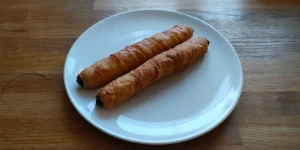
Sigara Böreği: Crispy Cheese Rolls
The Secret to the Shattering Crunch of Authentic Börek
The culinary brilliance of sigara böreği lies in the moisture control between the wrapping and the cheese core. Traditional yufka dough-thicker and more resilient than Greek filo-creates an instantly blistered, multi-layered shell when hitting hot oil. To prevent steam from rupturing the pastry from the inside out, the filling uses a low-moisture brined white cheese bound with egg yolk. This structural matrix ensures that the exterior glass-like crunch shatters cleanly before yielding to a rich, molten interior that stays sealed inside the roll.
From Ottoman Palaces to Contemporary Table Snacking
Börek culture traces its lineage straight to the nomadic roots of Central Asian Turks, evolving into a highly refined art form inside the imperial kitchens of the Ottoman Empire. While grand celebratory böreks were multi-layered pan dishes, the slender cigar-shaped variant-increasingly referred to as *kalem böreği* (pencil pastry) in modern Turkish households for a more elegant connotation-developed as the ultimate accessible finger food. Made using circular sheets of fresh unleavened yufka dough rolled thin by hand with an *oklava* (rolling pin), it remains an indispensable cornerstone of any traditional Turkish breakfast spread (*kahvaltı*) or evening mezze platter.
Mapping out the Perfect Contrast of Tang, Heat, and Herbs
A flawless bite delivers an intense, rhythmic transition of textures and clean flavors. The initial shatter of the hot, deep-fried pastry releases a subtle aroma of toasted dough, immediately followed by the creamy, salty richness of crumbled *beyaz peynir* (Turkish white cheese). This heavy, dairy profile is instantly elevated and cut by the clean, pepperiness of fresh flat-leaf parsley and the gentle, slow-building warmth of aromatic *pul biber* (Aleppo pepper flakes), leaving a savory and exceptionally balanced finish.
Adapting Doughs and Selecting the Right Cheese Blends
If sourcing fresh Turkish yufka proves challenging, premium Greek filo dough cut into large triangles serves as an excellent technical substitute, yielding a lighter, flakier texture. For the filling, authentic Turkish *beyaz peynir* made from sheep or cow milk provides the signature tang. However, a high-quality, firm block of Greek feta functions beautifully. To enhance the melting profile without losing the characteristic salt structure, modern variations frequently incorporate a 50/50 blend of sharp feta with low-moisture grated *kaşar* or mozzarella cheese.
Expert tips:
Prevent Oil Explosions
The absolute enemy of frying cheese is internal steam. Ensure your filling contains no extra liquid, and never skimp on sealing the tip with egg white or water; a loose seam lets oil enter and causes explosive leaks.
The Filo Stack Adjust
If substituting with paper-thin filo dough instead of yufka, use two layers of triangles stacked together per roll. A single sheet of filo is too fragile to contain the boiling cheese under frying pressures.
The Right Frying Temp
Keep your oil strictly around 350°F (175°C). If the oil is too cool, the dough absorbs grease and turns soggy; if it is too hot, the exterior burns before the internal cheese filling melts.
Storage:
How to store
Store fully cooled, un-sauced leftover fried rolls in a single layer separated by parchment paper inside an airtight glass container.
Shelf life
Refrigerate leftovers for up to 3 days. To crisp them back to perfection, bake at 375°F (190°C) for 5-7 minutes. Avoid the microwave entirely as it makes the pastry rubbery.
Freezing instructions
Sigara böreği freezes perfectly when raw. Arrange the assembled, unbaked rolls on a parchment-lined baking sheet in a single layer and freeze until solid. Transfer to a zip-top freezer bag for up to 3 months. Fry directly from frozen, adding 1-2 minutes to the total cooking time.
Recipe information:
Ingredients
Substitutions for ingredients:
- Yufka Dough - Standard commercial filo pastry sheets cut into triangles work well. Alternatively, spring roll wrappers provide a very clean crisp shell, though less layered.
- Beyaz Peynir - A firm French or Greek block feta matches the salty tang perfectly. Mix it with a touch of ricotta if your feta is exceptionally crumbly.
- Pul Biber - Substitute with a blend of sweet paprika and a pinch of cayenne pepper if true Turkish Aleppo pepper flakes are missing from your pantry.
Preparation
1. Slice the Pastry Triangles
2. Mix the Herbed Cheese Stuffing
3. Fill and Secure the Edges
4. Roll and Seal Liquid Tight
5. Fry to Deep Golden Brown
6. Drain and Serve Hot
Frequently Asked Questions (FAQ):
How do you keep sigara böreği crispy after frying?
Place the freshly fried pastries immediately on a plate lined with paper towels to drain excess surface oil, and never cover them while hot. Proper air ventilation prevents steam from turning the shells soggy.
Why is it important not to overfill sigara böreği?
Overfilling causes the hot cheese to expand and rupture the delicate dough during cooking, causing the filling to leak into your skillet and scorch the oil.
How do you prevent phyllo dough from drying out while preparing the rolls?
Always keep your working stack of yufka or filo sheets covered with a damp cloth or plastic wrap while assembling the rolls to prevent them from turning brittle and cracking.
Can sigara böreği be baked instead of fried?
Yes. Arrange the assembled rolls on a baking sheet, brush them generously with melted butter or olive oil, and bake at 390°F (200°C) for 15-18 minutes until golden.
Can sigara böreği be prepared in advance?
Yes, you can roll them completely ahead of time and store them covered in the refrigerator for up to 24 hours, or freeze them solid for long-term storage before frying.