
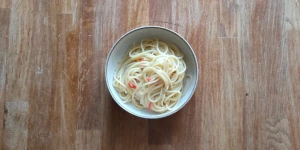
Spaghetti Aglio, Olio e Peperoncino - Italian Garlic Chili Pasta
This is one of the most iconic dishes of Italian cuisine. Seemingly simple, based on just a few ingredients, it embodies a cooking philosophy that prioritizes quality, technique, and a sense of taste. Originating in southern Italy, this dish is now known worldwide as a classic example of how minimalism can be full of character. The aroma of garlic, good olive oil, and the spiciness of paprika create a composition that requires no additions.
The History of Spaghetti Aglio, Olio e Pepperoncino
The roots of spaghetti aglio, olio e pepperoncino lie in the regions of Campania and Abruzzo. It was a dish of the common people. Quick to prepare, inexpensive, and easy to make with ingredients available in almost every home. Pasta with garlic and olive oil was often a late-night meal, prepared after a long day at work or a late return home. This is why it is sometimes called "spaghetti di mezzanotte"-midnight pasta. It required no planning or shopping, yet it was filling and satisfying. With the rise of regional cuisines in Italy in the 20th century, this dish found its way into restaurants, retaining its homey character. To this day, Italians consider it a benchmark for a chef's skills. Anyone who can prepare aglio, olio e peperoncino well is a true cook. In Italy, it's considered one of the most difficult simple dishes. The secret lies in the technique: the garlic must not burn, and the oil should not be overheated.
The traditional version relies solely on pasta, garlic, olive oil, and chili pepper. Any additional additions-parsley, Parmesan, or breadcrumbs-are a regional or homemade interpretation. In the traditional version, cheese is omitted-its flavor would overwhelm the delicate balance between the oil, garlic, and chili pepper.
Regional variations also exist. In Abruzzo the dish is spicier, in Campania more delicate, and in Rome it is often served with parsley, although this is not the canon.
Recipe information:
Ingredients
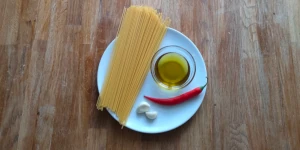
Preparation
1. Cooking the Pasta
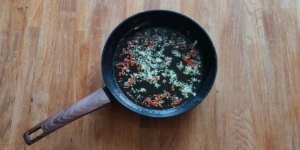
2. Preparing the Flavor Base
3. Adding the Chili
4. Adding the Pasta
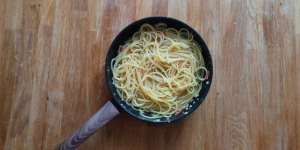
5. Serving
Frequently Asked Questions (FAQ):
How do you prevent garlic from burning in spaghetti aglio, olio e peperoncino?
Cook the garlic slowly over low to medium heat in olive oil. It should turn lightly golden, not dark brown, as burnt garlic creates a bitter taste that affects the entire dish.
What is the best way to control the spice level in aglio, olio e peperoncino?
Adjust the amount and type of chili used. Removing the seeds creates a milder flavor, while adding fresh or dried chili flakes increases heat without changing the balance of the dish.
Why is pasta water important in this recipe?
Starchy pasta water helps emulsify the olive oil and garlic mixture, creating a light sauce that clings better to the pasta and enhances overall texture and flavor.
Should cheese be added to traditional aglio, olio e peperoncino?
Traditionally, cheese is not included, as the dish relies on olive oil, garlic, and chili for flavor. However, some modern variations may include grated cheese for extra richness.
How do you achieve the best texture for spaghetti in this dish?
Cook the spaghetti al dente so it retains a slight bite. Finishing the pasta in the pan with the sauce allows it to absorb flavor while maintaining the ideal texture.