
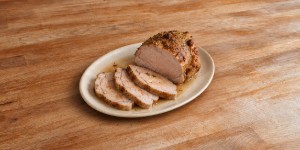
Keptas Kiaulienos Kumpis (Lithuanian Roast Pork Leg)
Traditional Lithuanian Roast Pork
Keptas kiaulienos kumpis is a Lithuanian roast made from pork leg. Roast pork has a long place in Lithuanian home cooking and is particularly associated with festive family meals. A whole piece of fresh pork is seasoned, roasted until tender and sliced for serving with potatoes, vegetables or other traditional accompaniments.
Roast Pork for Lithuanian Christmas
In Lithuania, Christmas Eve, known as Kūčios, is traditionally observed with a meatless supper. Christmas Day, or Kalėdos, brings a different selection of dishes, including pork, sausages, poultry and other meat preparations. Roast pork leg is one of the dishes associated with these Christmas celebrations.
Historically, Lithuanian families prepared pork in several ways. Ethnographic accounts describe Christmas hams soaked in whey or covered with bread dough before roasting to help retain moisture. Other preparations used salt, herbs, onions and aromatic seasonings. Recipes varied according to region, household traditions and available ingredients.
Preparing the Pork Leg
This recipe uses fresh, uncured pork leg rather than smoked or cured ham. The meat is seasoned with garlic, salt, black pepper and herbs, then left in the refrigerator overnight. This allows the salt to penetrate the meat and gives the seasonings time to develop their flavour.
Rosemary and lemon juice are used in this version, reflecting ingredients found in contemporary Lithuanian Christmas roast recipes. They should be understood as part of a modern household preparation rather than essential ingredients in every historical Lithuanian pork roast.
Slow Roasting for Tender Meat
Pork leg is relatively lean, so careful roasting is important to prevent dryness. The meat is initially cooked in a covered roasting dish with onions, carrots, bay leaves and a little water. The covered cooking stage limits moisture loss, while a final period of uncovered roasting allows the surface to develop a golden-brown colour.
A meat thermometer is the most reliable way to determine when the roast is ready. This recipe uses an internal temperature of at least 75°C, following general Lithuanian food safety guidance. After roasting, the meat is rested before slicing to help retain its juices.
Serving Lithuanian Roast Pork
Keptas kiaulienos kumpis is served hot, cut into slices across the grain. Boiled or roasted potatoes, braised cabbage and the natural roasting juices make suitable accompaniments. The juices from the roasting dish can be strained and gently reduced to make a simple sauce.
Leftover roast pork can also be served cold after proper refrigeration. Thin slices are particularly good with dark rye bread, horseradish or mustard. Although this recipe is suitable for Christmas Day, roast pork leg is also prepared for other family gatherings and celebrations throughout the year.
Expert tips:
Choose fresh, uncured pork leg
Use fresh pork leg rather than smoked, salted or commercially cured ham. Cured meat has already been seasoned and may require a completely different preparation method. A joint with a thin layer of fat is preferable to an entirely lean piece.
Season the pork in advance
Seasoning the meat the day before roasting allows the salt to penetrate more evenly. Keep the seasoned pork covered in the refrigerator throughout the marinating period.
Protect the garlic from burning
Finely crushed garlic can burn during high-temperature roasting and develop a bitter flavour. Press some garlic into shallow cuts in the meat and cover the surface loosely with foil if it begins to darken excessively.
Use a roasting dish of the right size
A roasting dish that is much larger than the pork joint allows the cooking liquid to spread into a thin layer and evaporate quickly. Choose a dish that holds the meat and vegetables comfortably without excessive empty space.
Use a meat thermometer
Roasting time depends on the thickness and shape of the pork rather than its weight alone. Measure the temperature in the thickest part of the joint. This recipe follows a conservative target of at least 75°C, consistent with general Lithuanian food safety guidance.
Avoid overcooking
Pork leg is relatively lean and can become dry when roasted for too long. Monitor the internal temperature during the final browning stage and remove the roast once it reaches the target temperature.
Allow the roast to rest
Rest the cooked pork for approximately 20 minutes before carving. Cutting into the meat immediately after roasting can cause more of its juices to escape onto the cutting board.
Slice against the grain
Cutting across the muscle fibres produces slices that are easier to chew. This is particularly useful for pork leg, which is leaner and firmer than pork shoulder.
Storage:
Refrigeration
Cool leftover roast pork promptly and refrigerate within 2 hours of cooking. Cut large pieces into smaller portions to speed cooling. Store in a covered container at 4°C or below, with the roasting juices kept separately if desired. For a conservative storage recommendation, consume within 1-2 days.
Serving cold
Properly refrigerated roast pork can be served cold in thin slices. It is suitable for sandwiches with rye bread, horseradish or mustard. Keep refrigerated until serving and return any unused portions to the refrigerator promptly.
Reheating
Place sliced pork in a covered pan with a little roasting juice, water or unsalted broth. Reheat gently until thoroughly hot throughout, using a food thermometer to check the temperature. Avoid repeated cooling and reheating.
Freezing
Cool the roast promptly and divide it into portions. Wrap tightly or place in airtight freezer-safe containers. Freeze promptly and use within approximately 2 months for best quality. Thaw in the refrigerator and reheat thoroughly before serving.
Recipe information:
Pork and seasoning
For roasting
Substitutions for ingredients:
- Fresh boneless pork leg - A fresh bone-in pork leg can also be roasted, but cooking time and yield will differ. Pork shoulder is a possible alternative, although its higher fat and connective tissue content require a different cooking approach. Pork loin is leaner and should not be treated as an exact substitute.
- Dried rosemary - Dried oregano, thyme or a small amount of crushed caraway seeds can be used for a different herb flavour. Rosemary is documented in contemporary Lithuanian Christmas pork recipes, while caraway is a familiar seasoning in Lithuanian cooking.
- Sunflower oil - Rapeseed oil can be used in the same quantity. Both have a relatively neutral flavour and are suitable for roasting.
- Water in the roasting dish - Unsalted pork or vegetable broth can be used instead of water for additional flavour. Avoid strongly salted stock, as the pork is already seasoned with salt.
- Lemon juice - The lemon juice can be omitted for a simpler garlic-and-herb roast. It is part of this contemporary variation rather than an essential ingredient in traditional Lithuanian roast pork.
Preparation
1. Prepare the pork
2. Season the meat
3. Marinate overnight
4. Prepare the roasting dish
5. Roast the pork covered
6. Brown the roast
7. Rest the meat
8. Prepare the pan sauce
9. Slice and serve
Frequently Asked Questions (FAQ):
What is keptas kiaulienos kumpis?
Keptas kiaulienos kumpis means roasted pork leg in Lithuanian. It is a dish made from fresh pork leg seasoned and cooked in the oven. Roast pork is part of Lithuanian home cooking and is also associated with Christmas celebrations.
Is roast pork traditionally served at Lithuanian Christmas?
Yes. Pork dishes, including roasted pork leg, are documented in Lithuanian Christmas food traditions. They are particularly associated with Christmas Day, when families traditionally return to eating meat after the meatless Christmas Eve supper.
Is keptas kiaulienos kumpis served during Kūčios?
Not as part of the traditional meatless Kūčios supper. Christmas Eve is traditionally observed without meat, while Christmas Day, known as Kalėdos, includes pork, poultry and other meat dishes.
Does kumpis mean smoked ham?
The Lithuanian word kumpis can refer to the pork leg or ham cut, including fresh and preserved preparations. This recipe specifically uses fresh, raw, uncured pork leg rather than smoked or cured ham.
Is rosemary traditional in Lithuanian roast pork?
Rosemary appears in contemporary Lithuanian Christmas roast recipes, along with garlic and other herbs. Historical recipes and regional preparations vary, so rosemary should not be considered an essential ingredient in every traditional Lithuanian roast.
How was pork traditionally prepared for Lithuanian Christmas?
Historical Lithuanian Christmas preparations included roasted, boiled and preserved pork. Ethnographic accounts describe pork leg soaked in whey or covered with bread dough before roasting, as well as other festive pork dishes. Methods differed between households and regions.
Why is the pork marinated overnight?
An overnight rest allows the salt to penetrate the meat more evenly and gives the garlic and herbs time to develop their flavour. Keep the pork refrigerated throughout this period.
What internal temperature should roast pork reach?
This recipe uses an internal temperature of at least 75°C, following conservative general Lithuanian food safety guidance. Insert a meat thermometer into the thickest part of the roast, away from large fat deposits, to check doneness.
What is traditionally served with Lithuanian roast pork?
Boiled or roasted potatoes, braised cabbage, vegetables and meat-based sauces are suitable accompaniments. Cold roast pork may also be served with dark rye bread, mustard or horseradish.
Can Lithuanian roast pork be served cold?
Yes. Once properly cooled and refrigerated, roast pork can be sliced thinly and served cold. It makes a suitable accompaniment to rye bread, mustard, horseradish or pickled vegetables.
Can I prepare the pork the day before roasting?
Yes. Season the raw pork and keep it covered in the refrigerator overnight. This recipe includes approximately 12 hours of refrigerated marinating before roasting.
How long can cooked roast pork be stored?
Refrigerate the cooked pork promptly at 4°C or below, within 2 hours of cooking. This recipe conservatively recommends consuming refrigerated leftovers within 1-2 days. Freeze portions promptly if longer storage is needed.