
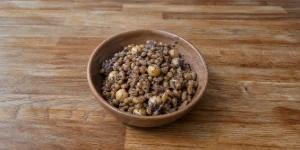
Kūčia (Traditional Lithuanian Christmas Eve Wheat and Poppy Seed Dish)
Traditional Lithuanian Kūčia
Kūčia is a traditional Lithuanian Christmas Eve dish made from cooked grains, peas, poppy seeds and honey. It is closely associated with Kūčios, the ritual supper held on December 24. Unlike many other Christmas dishes, kūčia has a particular ceremonial significance, reflecting older Lithuanian traditions connected with family, the harvest and remembrance of ancestors.
A Ritual Dish for Lithuanian Christmas Eve
Historically, kūčia was more than an ordinary part of the Christmas Eve meal. It was a symbolic food shared among family members during Kūčios. Traditional accounts describe the importance of everyone at the table tasting the dish, reflecting its role in the shared family celebration.
The ingredients reflect foods traditionally grown and preserved in Lithuania. Wheat and peas represent the agricultural foundation of the dish, while poppy seeds and honey contribute flavour and sweetness. The Lithuanian name kūčia is also historically connected with the name of the Christmas Eve celebration, Kūčios.
Traditional Ingredients and Regional Variations
There is no single universal recipe for kūčia. Traditional Lithuanian versions may contain wheat, whole dried peas, barley, rye or oats, depending on regional customs and household preferences. Poppy seeds and honey are common additions, while some families also include nuts, dried berries or other ingredients.
This recipe uses boiled whole wheat berries, dried peas, ground poppy seeds and honey. It follows a combination documented in Lithuanian culinary and ethnographic sources, including the work of food historian Rimvydas Laužikas and the Vilnius Ethnic Culture Centre.
Preparing the Grains and Poppy Seeds
Wheat berries and whole dried peas are soaked before cooking to help them soften evenly. They are cooked separately because their cooking times may differ. The finished grains and peas should be tender but retain their shape.
Poppy seeds are soaked in hot water and ground to release their characteristic flavour. They are then combined with the cooked wheat and peas. Honey, diluted with a little warm water, brings the ingredients together without turning the dish into a soup.
Serving Kūčia
Kūčia is traditionally served as part of the Lithuanian Christmas Eve supper, usually in small portions alongside other meatless dishes. It can be served at room temperature or slightly chilled. Some families prepare a relatively dry mixture, while others prefer a softer consistency with more honey-sweetened liquid.
This version keeps the individual grains and peas visible and lightly coats them with ground poppy seeds and honey. It may also be served alongside aguonpienis, traditional Lithuanian poppy seed milk, although this is not essential to the recipe.
Expert tips:
Use whole dried peas
Traditional recipes use whole peas rather than split peas. Whole dried yellow, green or field peas are suitable. Split peas soften and break apart much more readily, producing a different texture.
Cook wheat and peas separately
Wheat berries and dried peas often require different cooking times. Preparing them in separate saucepans makes it easier to achieve tender grains without overcooking the peas.
Soak the ingredients overnight
Soaking the wheat and dried peas overnight helps them absorb moisture and cook more evenly. Keep them in separate bowls with plenty of water, preferably in the refrigerator.
Grind the poppy seeds
Grinding or crushing the softened poppy seeds releases their flavour and creates the characteristic coating for the grains. A dedicated poppy seed grinder or a mortar and pestle works better than a standard blender for small quantities.
Drain the cooked ingredients thoroughly
Excess cooking water can collect at the bottom of the serving bowl and dilute the honey dressing. Drain the wheat and peas well and allow excess steam to escape before combining them.
Adjust the sweetness to taste
The amount of honey varies between traditional household recipes. Start with approximately 60-65 g and add a little more if desired. The natural flavour of the wheat, peas and poppy seeds should remain noticeable.
Keep the traditional ingredients simple
Wheat, whole peas, ground poppy seeds and honey form a documented traditional combination. Nuts and dried fruits are also found in Lithuanian variations, but they are not necessary for this version.
Prepare the cooked ingredients ahead
The wheat and peas can be cooked the day before serving. Cool them promptly, refrigerate separately in covered containers and combine with the poppy seeds and honey shortly before serving.
Storage:
Refrigeration
Transfer leftover kūčia to a covered container and refrigerate promptly at 4°C or below. Do not leave cooked grains and peas at room temperature for more than 2 hours. For best quality and a conservative storage recommendation, consume within 1-2 days.
Make ahead
Cook the wheat and peas up to one day in advance. Drain thoroughly, cool promptly in shallow containers and refrigerate separately. Prepare the poppy seeds and honey dressing before serving, then combine all the ingredients.
Freezing
Freezing the fully mixed dish is not recommended for the best texture. The cooked peas may become soft or mealy after thawing, and the honey dressing may separate. The cooked wheat and peas can be frozen separately if necessary, but this variation has not been kitchen-tested.
Recipe information:
Wheat, peas and poppy seeds
Honey dressing
Substitutions for ingredients:
- Whole wheat berries - Whole barley, rye berries or oat groats appear in other traditional Lithuanian household variations. Their soaking and cooking times may differ. Pearl barley is another documented option, although it produces a different texture.
- Whole dried peas - Whole dried yellow, green or field peas can be used. Avoid split peas if you want the individual peas to retain their shape. Fresh, frozen and canned green garden peas are not direct traditional substitutes.
- Whole blue poppy seeds - Plain ground poppy seeds without added sugar or flavourings can be used. Commercial sweetened poppy seed cake fillings are not a suitable substitute because they may contain additional ingredients and produce a different flavour.
- Honey - Honey is characteristic of this documented traditional version. Other sweeteners would change the flavour and historical character of the recipe. For the most authentic result, use honey.
Preparation
1. Soak the wheat and peas overnight
2. Cook the wheat berries
3. Cook the whole dried peas
4. Soften the poppy seeds
5. Grind the poppy seeds
6. Cool the cooked grains and peas
7. Prepare the honey dressing
8. Combine the ingredients
9. Serve the kūčia
Frequently Asked Questions (FAQ):
What is kūčia?
Kūčia is a traditional Lithuanian ritual dish associated with Christmas Eve. It is commonly prepared from cooked grains, whole peas, poppy seeds and honey, although ingredients vary between families and regions.
What is the difference between kūčia and Kūčios?
Kūčia refers to the traditional ritual food, while Kūčios is the Lithuanian name for Christmas Eve and its ceremonial supper. The names are historically connected, reflecting the importance of the dish in older Lithuanian Christmas traditions.
Is kūčia traditionally served on Lithuanian Christmas Eve?
Yes. Kūčia is an old Lithuanian ritual dish associated with the Christmas Eve supper. Traditional accounts describe its symbolic role and the custom of sharing or tasting it among family members.
What ingredients are traditionally used in kūčia?
Traditional combinations include cooked wheat or other grains, whole dried peas, ground poppy seeds and honey. Some household variations also contain nuts, dried berries or other grains such as barley, rye and oats.
Can I use split peas instead of whole dried peas?
Whole dried peas are recommended for this version because they retain their shape after cooking. Split peas break down more easily and produce a softer, porridge-like texture.
Can I add nuts or dried fruit?
Yes. Lithuanian traditional recipes and modern household variations may include walnuts, hazelnuts, dried berries or raisins. These ingredients are optional, and the simple wheat, pea, poppy seed and honey combination is a documented traditional preparation.
Why are poppy seeds ground?
Grinding breaks open the poppy seeds and releases their characteristic flavour. It also helps them combine with the grains and honey, creating a more even texture.
Can I use barley instead of wheat?
Yes. Barley, including pearl barley, appears in Lithuanian variations of the dish. Different grains require different soaking and cooking times, so follow the instructions for the specific grain being used.
Can kūčia be prepared the day before?
Yes. The wheat and peas can be cooked in advance, cooled promptly and refrigerated separately. Combine them with the prepared poppy seeds and honey dressing shortly before serving.
Is kūčia served hot or cold?
Kūčia is generally served at room temperature or slightly chilled rather than piping hot. Household preferences vary, and the dish may be prepared in advance for the Christmas Eve supper.
Is kūčia suitable for a traditional meatless Kūčios supper?
Yes. This version contains wheat, peas, poppy seeds, honey and water, without meat, dairy products or eggs. It is suitable for the traditional Lithuanian Christmas Eve meal.
Is Lithuanian kūčia the same as Ukrainian kutia?
Lithuanian kūčia and Ukrainian kutia are related Eastern European ritual grain dishes associated with Christmas traditions. Both may contain cooked grains, poppy seeds and honey. However, Lithuanian kūčia has its own documented history and variations, including versions with whole dried peas.
How long can kūčia be stored?
Keep the prepared dish covered in the refrigerator at 4°C or below and consume within 1-2 days. Refrigerate cooked grains and peas promptly and avoid leaving the dish at room temperature for extended periods.