
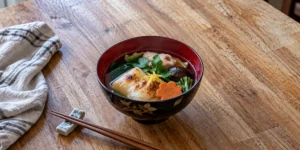
Ozoni - Traditional Japanese New Year Mochi Soup
What is Ozoni?
Ozoni (お雑煮), also called zoni, is a Japanese soup containing mochi that is traditionally eaten during the New Year celebrations. There is no single recipe for Ozoni. The broth, shape of the mochi, way the mochi is cooked and accompanying ingredients change considerably from one region and household to another.
This recipe follows the style associated with Tokyo and the wider Kanto region: square mochi is toasted and served in a clear, soy sauce-seasoned broth together with chicken and vegetables.
Ozoni and Japanese New Year
Ozoni is closely associated with Shogatsu, the Japanese New Year. It is commonly eaten with other New Year foods and remains one of the most recognizable dishes served at the beginning of January.
Mochi has long held an important place in Japanese ceremonial food. It was traditionally offered to deities and is strongly associated with New Year observances. Ozoni developed into one of the principal ways of eating mochi during the New Year period.
Regional varieties of Ozoni
One of the most interesting things about Ozoni is how dramatically it changes across Japan. Eastern and northern areas commonly use square mochi, while round mochi is widespread in western Japan. Clear broths seasoned with soy sauce are common in many regions, while white miso is particularly associated with parts of Kansai.
These divisions are useful for understanding Ozoni, but they are not absolute rules. Recipes vary between prefectures, towns and individual families.
Kanto and Tokyo-style Ozoni
Tokyo-style Ozoni is traditionally made with a clear broth. The Japanese Ministry of Agriculture, Forestry and Fisheries describes the Tokyo version as toasted mochi served with cooked chicken and green vegetables in sumashi-jiru, a clear seasoned soup.
Typical ingredients include chicken, shiitake mushrooms, kamaboko, leafy greens, mitsuba and yuzu. The exact combination varies from household to household.
Square toasted Mochi
Square-cut mochi, or kakumochi, is characteristic of Ozoni in much of eastern Japan. For the Kanto style it is commonly toasted before being placed in the bowl.
Toasting makes the outside lightly browned while the interior becomes soft and stretchy. The mochi is then placed in the serving bowl and covered with hot broth.
The clear Dashi broth
The broth should be light enough that the flavour of the dashi remains noticeable. Kombu and katsuobushi make a classic dashi, which is then seasoned with soy sauce, salt and, depending on the household recipe, sake or mirin.
Do not boil kombu aggressively. Heat it gradually and remove it before the water reaches a strong boil. Katsuobushi is then briefly infused and strained to produce the finished stock.
Chicken and vegetables
Chicken is a familiar ingredient in Kanto-style Ozoni and gives the clear broth additional richness. Shiitake mushrooms, carrots and leafy greens provide colour and texture without making the soup heavy.
Komatsuna is particularly suitable for a Tokyo-style bowl. Mitsuba can be added just before serving for its fresh aroma.
Kamaboko, Mitsuba and Yuzu
Red-and-white kamaboko is often used in Japanese celebratory dishes and adds both colour and a mild fish flavour. Thin slices are enough because it is only one part of the finished bowl.
Mitsuba is placed on top shortly before serving. A very small strip of yuzu peel can also be added. The hot broth releases the citrus aroma, so only a little peel is necessary.
How to serve Ozoni
Ozoni should be served hot soon after the toasted mochi is added. Place one piece of mochi in each bowl, arrange the chicken, vegetables and kamaboko around it, and ladle over the hot clear broth.
Finish with mitsuba and a thin piece of yuzu peel. The result should be a relatively simple soup in which the mochi remains the central ingredient.
Ozoni is a family dish
It is important not to treat one Ozoni recipe as the definitive Japanese version. A family in Tokyo may prepare it differently from another family in the same city, and the differences become much greater when comparing regions such as Kyoto, Kagawa, Niigata or Tottori.
This recipe therefore represents a traditional Kanto and Tokyo-style approach rather than a universal recipe for Japanese Ozoni.
Expert tips:
Do not strongly boil the kombu
Heat kombu gently and remove it before a vigorous boil. This produces a cleaner-tasting dashi.
Keep the seasoning restrained
The clear broth should taste of dashi rather than strongly of soy sauce. Add the seasonings gradually and taste before adding more.
Toast the mochi just before serving
Freshly toasted mochi gives the Kanto-style soup its characteristic combination of a lightly browned exterior and soft, stretchy center.
Prepare the greens separately
Blanching the greens separately helps preserve their colour and prevents them from unnecessarily clouding or strongly flavouring the clear broth.
Use very little yuzu
A small strip of peel is enough. Too much yuzu can easily dominate the delicate dashi.
Storage:
How to store
Cool the broth, chicken and cooked vegetables promptly and refrigerate them in a covered container. Keep the mochi separate.
Shelf life
Use the refrigerated broth and cooked ingredients within 2 to 3 days.
Storing mochi
Keep unopened kirimochi according to the package instructions and toast it only when you are ready to serve the soup.
Freezing
The dashi broth can be frozen separately. For the best texture, prepare the garnishes and toasted mochi fresh when serving.
Recipe information:
Dashi Broth
Ozoni
Substitutions for ingredients:
- Kirimochi - Use plain unsweetened Japanese mochi. Round mochi can also be used, although it represents a different regional style.
- Komatsuna - Use spinach or another mild leafy green if Japanese mustard spinach is unavailable.
- Mitsuba - Use a small amount of flat-leaf parsley together with finely sliced scallion when mitsuba is unavailable.
- Usukuchi soy sauce - Regular Japanese soy sauce can be used in a smaller quantity, although it will give the broth a darker colour.
- Yuzu peel - Use a very thin strip of lemon peel when fresh yuzu is unavailable.
Prepare the Dashi
1. Soak the kombu
2. Heat the kombu
3. Add the katsuobushi
4. Strain the dashi
Prepare the Ingredients
1. Prepare the vegetables
2. Blanch the greens
3. Cook the chicken and vegetables
4. Season the broth
Toast and Assemble
1. Toast the mochi
2. Place the mochi in the bowls
3. Add the ingredients
4. Finish the Ozoni
Frequently Asked Questions (FAQ):
What is Ozoni?
Ozoni is a traditional Japanese soup containing mochi and other ingredients. It is particularly associated with Japanese New Year celebrations.
When is Ozoni eaten in Japan?
Ozoni is traditionally eaten during the Japanese New Year period and is commonly served on New Year's Day.
Is there one traditional Ozoni recipe?
No. Ozoni varies considerably across Japan. The broth, mochi shape, cooking method and additional ingredients depend on the region and family tradition.
What is Kanto-style Ozoni?
Kanto-style Ozoni generally uses square mochi and a clear seasoned broth. Chicken, leafy greens, kamaboko and vegetables are common additions.
What kind of mochi is used in Tokyo Ozoni?
Square mochi is characteristic of the Tokyo and wider Kanto style and is commonly toasted before being added to the clear soup.
What is the difference between Kanto and Kansai Ozoni?
Kanto is associated with square mochi and clear soy sauce-seasoned broth. Many Kansai traditions use round mochi, and white miso broth is particularly associated with areas such as Kyoto.
Does Ozoni always contain chicken?
No. Chicken is common in Kanto-style Ozoni, but ingredients vary widely across Japan and may include seafood, root vegetables, mushrooms and other local foods.
Should mochi be toasted or boiled for Ozoni?
Both methods are traditional. Toasted square mochi is characteristic of many eastern Japanese versions, while boiled mochi is common in a number of western regional traditions.
Can I use sweet mochi for Ozoni?
Use plain unsweetened mochi for this recipe. Filled sweets such as daifuku are different foods and are not a substitute for the plain kirimochi used in this Kanto-style Ozoni.
Why is Ozoni eaten at New Year?
Ozoni belongs to Japan's New Year food traditions and incorporates mochi, a food with a long ceremonial and religious association in Japanese culture.
Is Ozoni the same throughout Japan?
No. Regional diversity is one of the defining characteristics of Ozoni. Different areas use different broths, mochi shapes, cooking methods and local ingredients.
Can Ozoni be prepared ahead?
The dashi, chicken and vegetables can be prepared ahead and refrigerated. Toast the mochi and add the fresh garnishes immediately before serving.
Is mochi a choking hazard?
Yes. Mochi is exceptionally sticky and requires careful chewing. Extra care is necessary when serving it to young children, older adults or anyone with difficulty chewing or swallowing.